Dreamtime Tale: Indigenous Australian Stories and Their Cultural Power
When you hear the term Dreamtime tale, a foundational set of sacred narratives from Aboriginal Australian cultures that explain the origin of the land, animals, and laws. Also known as The Dreaming, it isn't just a collection of old stories—it's the living framework of reality for over 250 distinct Aboriginal groups. These aren't fairy tales or myths in the Western sense. They’re maps, legal codes, spiritual guides, and history rolled into one. The land doesn’t just hold these stories—it *is* the story. A rock formation, a river bend, a mountain ridge—each holds the imprint of ancestral beings who shaped the world.
Dreamtime tales are passed down through song, dance, art, and spoken word, not written texts. This makes them deeply tied to place and community. A story told in the desert will be different from one told by the coast, because the beings, laws, and lessons match the environment. These tales explain why the kangaroo hops, why the sun rises, and how kinship systems were formed. They teach responsibility—to the land, to family, to future generations. Unlike myths that fade into folklore, Dreamtime stories are still alive. They guide land management, legal disputes, and cultural ceremonies today. They’re not relics. They’re active truths.
What makes Dreamtime tales so powerful is how they blur the line between past and present. The ancestors didn’t just exist long ago—they’re still here, in the rhythm of the wind, the call of a bird, the shape of the earth. This isn’t metaphor. It’s belief. And it’s why these stories are so hard to translate. You can’t just read them—you have to feel them. That’s why they’re rarely written down. To do so risks turning sacred knowledge into a tourist attraction. But what we can share are the themes: connection, respect, balance, and the idea that humans don’t own the land—we belong to it.
Modern writers, artists, and filmmakers are now bringing Dreamtime tales to wider audiences, not as exotic curiosities, but as profound worldviews. These stories challenge the idea that history begins with written records. They remind us that knowledge can live in silence, in rhythm, in color. And they offer a different way to think about time—not as a straight line, but as a circle, where ancestors walk beside us.
Below, you’ll find posts that explore how these ancient narratives connect to today’s storytelling, from fantasy novels inspired by ancestral spirits to how oral traditions shape modern identity. Whether you’re drawn to mythology, cultural history, or the quiet power of place, these stories have something real to offer.
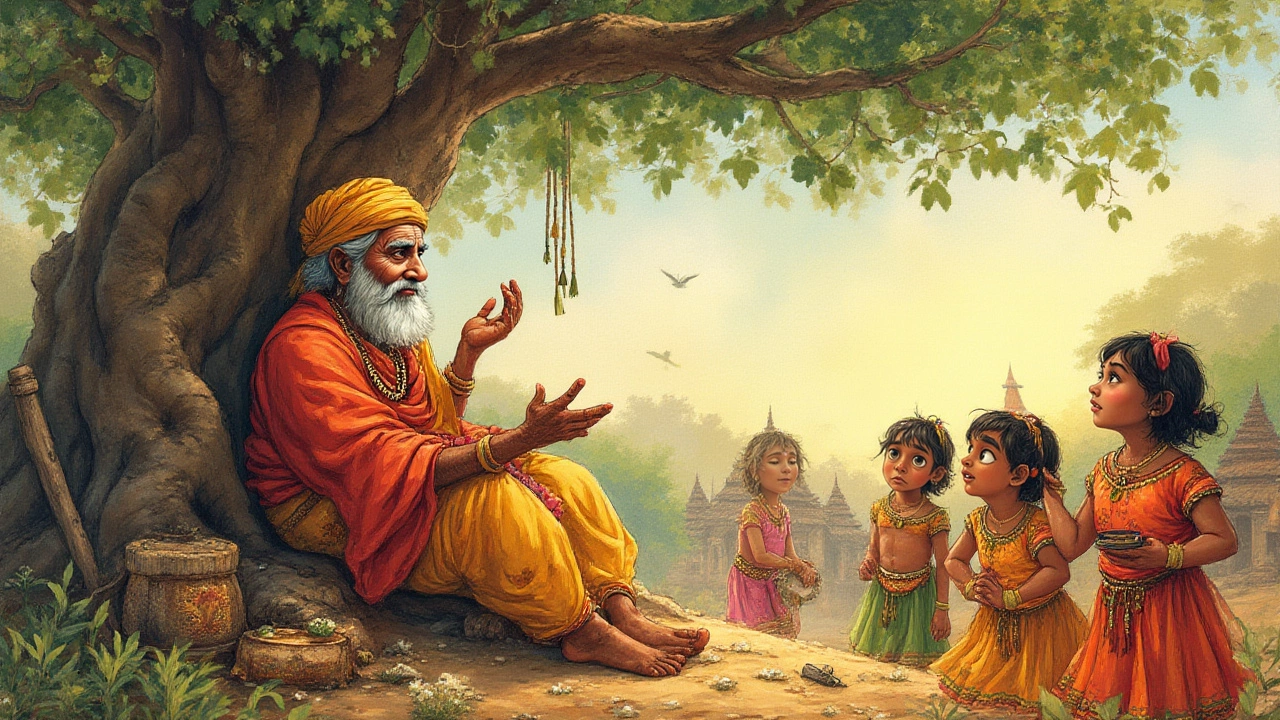
Cultural Story Example: Exploring Stories That Shape Traditions
Discover what a cultural story is with real examples, facts, and tips. Delve into tales that shape traditions and unlock their hidden meanings.