Cultural Traditions in Books: How Stories Preserve and Reimagine Heritage
When we talk about cultural traditions, the customs, rituals, and beliefs passed down through generations within a community. Also known as folk practices, they shape how people celebrate, mourn, marry, and remember. These aren’t just old habits—they’re living threads in the fabric of identity, and books have always been one of their most powerful carriers. Whether it’s a Diwali feast described in a village kitchen or the quiet silence before a tribal coming-of-age rite, cultural traditions in literature give us more than color—they give us context, belonging, and sometimes, a mirror to our own lives.
What makes cultural traditions stick in stories? It’s not just about costumes or food. It’s how those traditions shape choices, silence, and even rebellion. In historical fiction, a genre that uses real-time settings to explore human experiences through imagined narratives, traditions become the invisible rules characters either follow or break. Think of a daughter refusing an arranged marriage not because she’s modern, but because her grandmother’s silent strength taught her another way. Or a son returning home to light ancestral lamps, not out of duty, but to feel close to a father he never understood. These aren’t just plot points—they’re emotional anchors. And when you pair that with Indian literature, the vast and diverse body of writing in India’s many languages, reflecting its regional customs, spiritual beliefs, and social shifts, you get stories that don’t just describe culture—they breathe it. From rural Punjab to coastal Kerala, from oral folktales to urban family dramas, Indian writers don’t just record traditions—they question them, mourn them, and sometimes, resurrect them.
What you’ll find in the posts below isn’t a textbook on rituals. It’s the messy, beautiful, sometimes painful reality of how culture lives inside stories. You’ll read about how heritage storytelling, the act of passing down values, myths, and histories through narrative turns history into feeling. You’ll see how cultural identity, the sense of self shaped by shared customs, language, and collective memory becomes the quiet hero in books that don’t even try to be about identity. These aren’t academic essays. They’re conversations—between readers and writers, between past and present, between what was and what could be. And if you’ve ever felt torn between honoring your roots and forging your own path, these stories are for you.
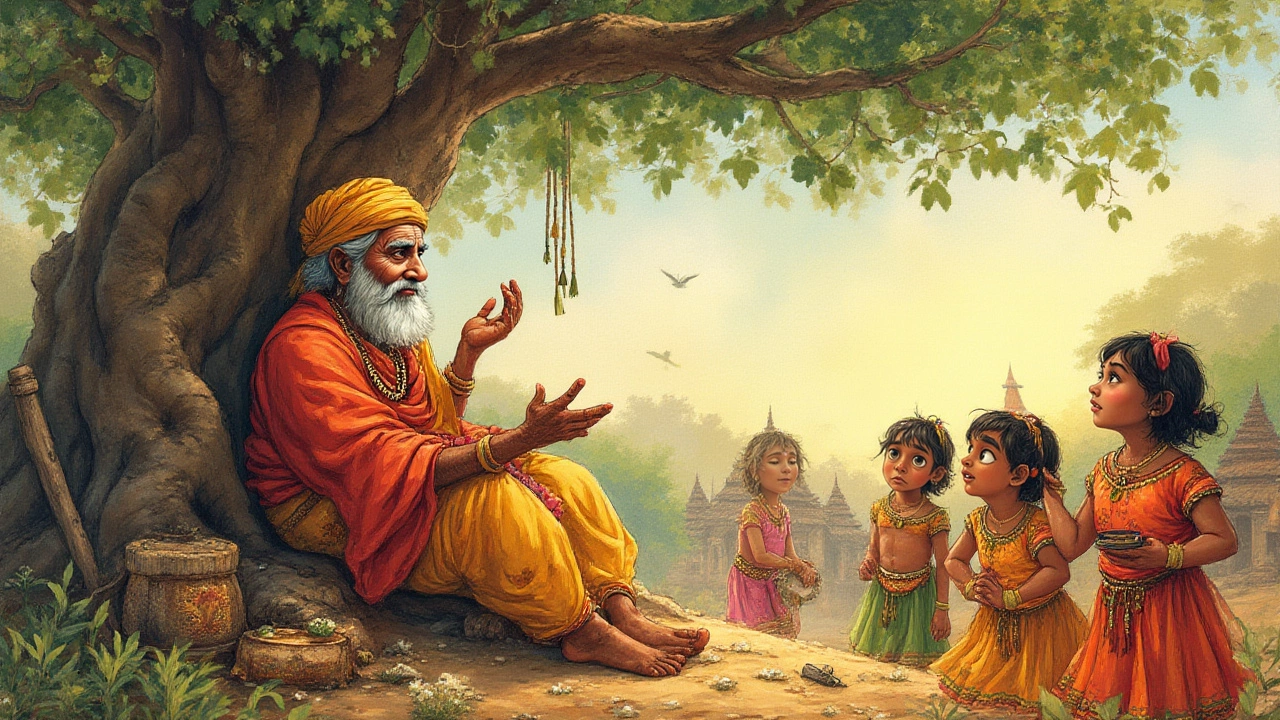
Cultural Story Example: Exploring Stories That Shape Traditions
Discover what a cultural story is with real examples, facts, and tips. Delve into tales that shape traditions and unlock their hidden meanings.