Children's Book: What Makes Them Work and Why They Matter
When we talk about a children's book, a purposefully written story or informational text designed for young readers, typically ages 0 to 12. Also known as picture book or juvenile literature, it’s not just about words—it’s about building the first bridges between language and understanding. A good children's book doesn’t just tell a story; it teaches how to think, how to feel, and how to sit still long enough to turn a page. And it’s not just for kids—parents, teachers, and caregivers are the real gatekeepers who choose which books make it into hands and hearts.
Behind every great children's book is something deeper: early literacy, the foundation of reading skills developed before formal schooling, including letter recognition, vocabulary, and phonological awareness. It’s why books with rhythm, repetition, and rhyme stick in a child’s mind longer than flashcards. And it’s why phonics instruction, a method of teaching reading by connecting sounds with letters or groups of letters works best when it’s hidden inside a story about a silly goat or a talking moon. You don’t need drills if the child is laughing at a character who says "b-b-b-ball" while bouncing a balloon.
Children’s books also shape identity. A kid who sees someone who looks like them on the page starts believing they belong in the world of stories. That’s not magic—it’s neuroscience. The brain remembers what it feels connected to. And that’s why the best children’s books aren’t just colorful—they’re honest. They don’t shy away from fear, loss, or confusion. They just hold space for it, gently, with a character who’s figuring things out too.
Some books teach how to tie shoes. Others teach how to ask for help. A few even teach how to be brave when no one’s watching. The collection below doesn’t just list titles—it shows you the real patterns behind what makes these books work. You’ll find insights into how kids actually read, what adults miss when they pick books for the wrong reasons, and why some stories become lifelong favorites while others vanish after one reading. Whether you’re choosing for a toddler, a reluctant reader, or a curious 10-year-old, what follows will help you see beyond the cover.
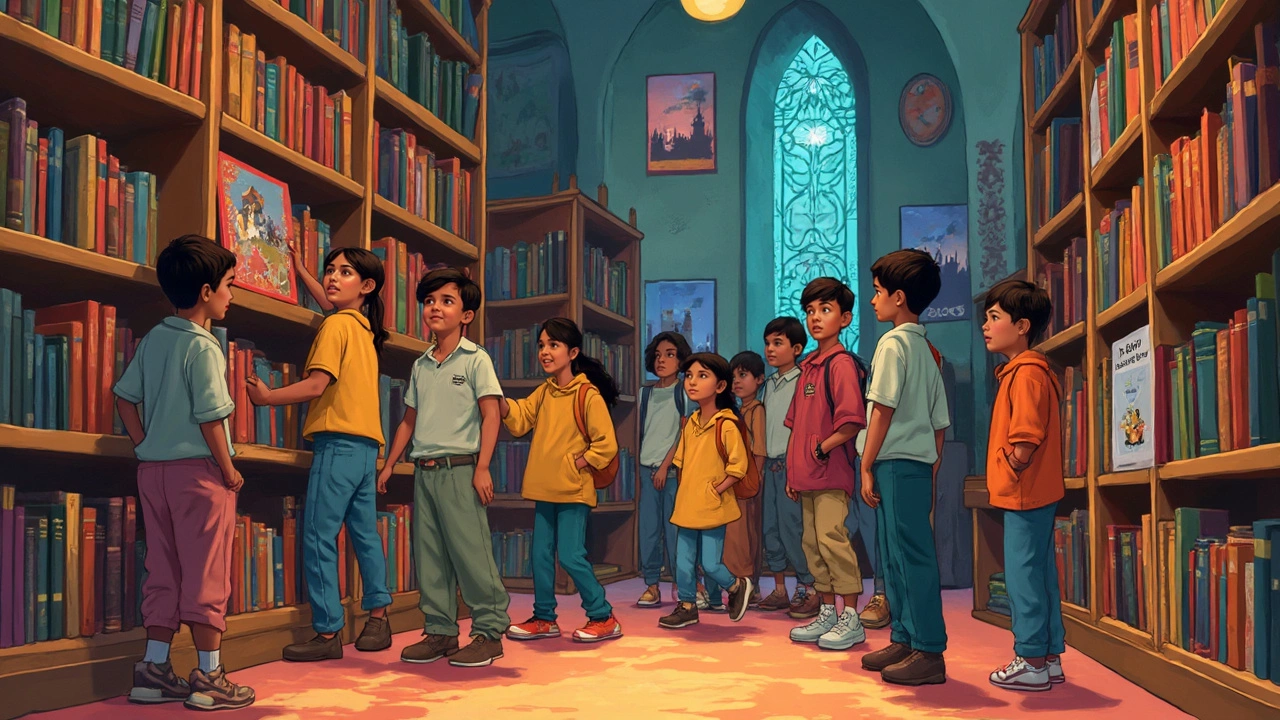
Is Harry Potter a Children's Book or YA? Breaking Down the Audience Debate
People love to argue about whether Harry Potter belongs on the children's shelf or the YA (young adult) shelf. The book series starts light and gets darker and deeper as it goes on, so where does it actually fit? This article tackles why the age debate matters, walks you through the changes in themes and style through each book, and explains what publishers and libraries do with the series. By the end, you’ll know what makes Harry Potter so hard to pin down and how that affects what you choose for yourself or the young readers in your life.