Age Category Books: What to Read at Every Stage of Life
When we talk about age category, a way to group books based on the reader’s life stage, typically defined by cognitive development, interests, and reading ability. Also known as reading level, it’s not just about how many words are on a page—it’s about what a reader needs to feel seen, challenged, or comforted at that moment in their life. A six-year-old doesn’t need the same story as a sixteen-year-old or a forty-year-old. And yet, we often assume kids’ books are just for kids, or that adult novels are too heavy for teens. That’s not true. The best books cross age lines—not because they’re simplified, but because they tap into something universal: belonging, fear, wonder, or growth.
Young adult fiction, a genre designed for readers aged 12 to 18, but now overwhelmingly consumed by adults. Also known as YA, it’s not just about high school drama—it’s about identity, loss, and finding your voice. Meanwhile, children’s books, stories crafted for early readers, often with illustrations and simple language to build confidence and imagination. Also known as picture books or early chapter books, they lay the foundation for how kids see the world—whether it’s through a brave mouse, a talking dragon, or a child who feels different. And then there’s the adult reader, often overlooked. Many adults read for escape, for clarity, for proof they’re not alone. That’s why books about aging, grief, or self-discovery hit so hard in your 30s, 40s, or 50s.
What’s surprising is how much overlap there is. The same themes—identity, courage, love, loss—show up in books for kids, teens, and adults. The difference isn’t the topic. It’s the lens. A child’s book might show a character learning to share. A YA novel might show a teen choosing between loyalty and truth. An adult book might show someone rebuilding their life after losing everything. Each version speaks to the emotional reality of that age. And that’s why age category matters: it helps you find the right mirror at the right time.
You’ll find posts here that dig into who’s really reading YA, why dark romance appeals to adults, how historical fiction helps us understand our own lives, and even how reading habits change as we get older. Some books are written for one age—but read by many. Others are meant to grow with you. This collection isn’t about putting books in boxes. It’s about helping you find the ones that fit your life right now—no matter how old you are.
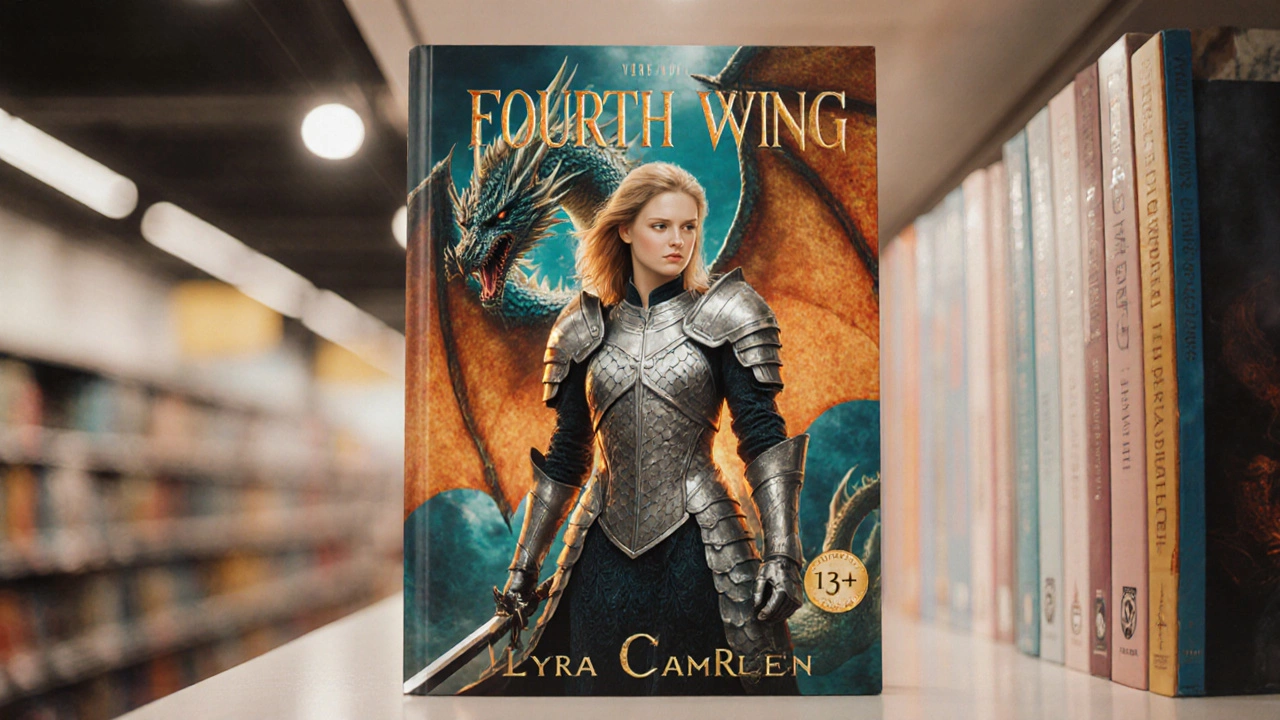
Is Fourth Wing YA or New Adult? A Deep Dive into Age‑Category Labels
Explore whether Fourth Wing fits Young Adult or New Adult, covering definitions, publisher tags, themes, length, and reader feedback in a detailed guide.