Mythology Books: Ancient Stories That Shape Modern Fiction
When you read a story about a hero fighting a monster, falling for a goddess, or opening a box that changes the world, you’re not just reading fiction—you’re stepping into mythology, a collection of ancient stories that explain the world, the gods, and human nature through symbolism and epic tales. Also known as mythic tradition, it’s the root of nearly every fantasy novel, superhero movie, and epic drama you’ve ever loved. These aren’t just old tales told around campfires. They’re living frameworks that writers today rebuild to talk about love, power, guilt, and identity in ways that still hit hard.
Take Greek myths, the foundation of Western storytelling, filled with gods who act like humans—jealous, loving, vengeful, and foolish. Also known as classical mythology, they gave us figures like Pandora, whose story isn’t just about curiosity—it’s about blame, gender, and the cost of knowledge. Then there’s ancient religions, the real-world belief systems that birthed these myths, from the sacred name YHWH in Hebrew tradition to the forgotten gods of Mesopotamia. Also known as historical spirituality, they shaped how people understood fate, death, and the divine long before science gave us other answers. Modern writers don’t just copy these stories. They twist them. They give Draco a boyfriend. They ask if Pandora was really the first woman—or just the first scapegoat. They turn divine names into puzzles, and monsters into metaphors.
What you’ll find in this collection isn’t a history textbook. It’s a map of how mythology keeps changing—and why we still need it. Whether you’re drawn to the mystery behind God’s true name, the quiet rebellion in a modern retelling, or the emotional truth hiding inside a 3,000-year-old legend, these books connect ancient symbols to today’s questions. You don’t need to know every god’s name to feel the weight of their stories. You just need to care about what makes people tick.
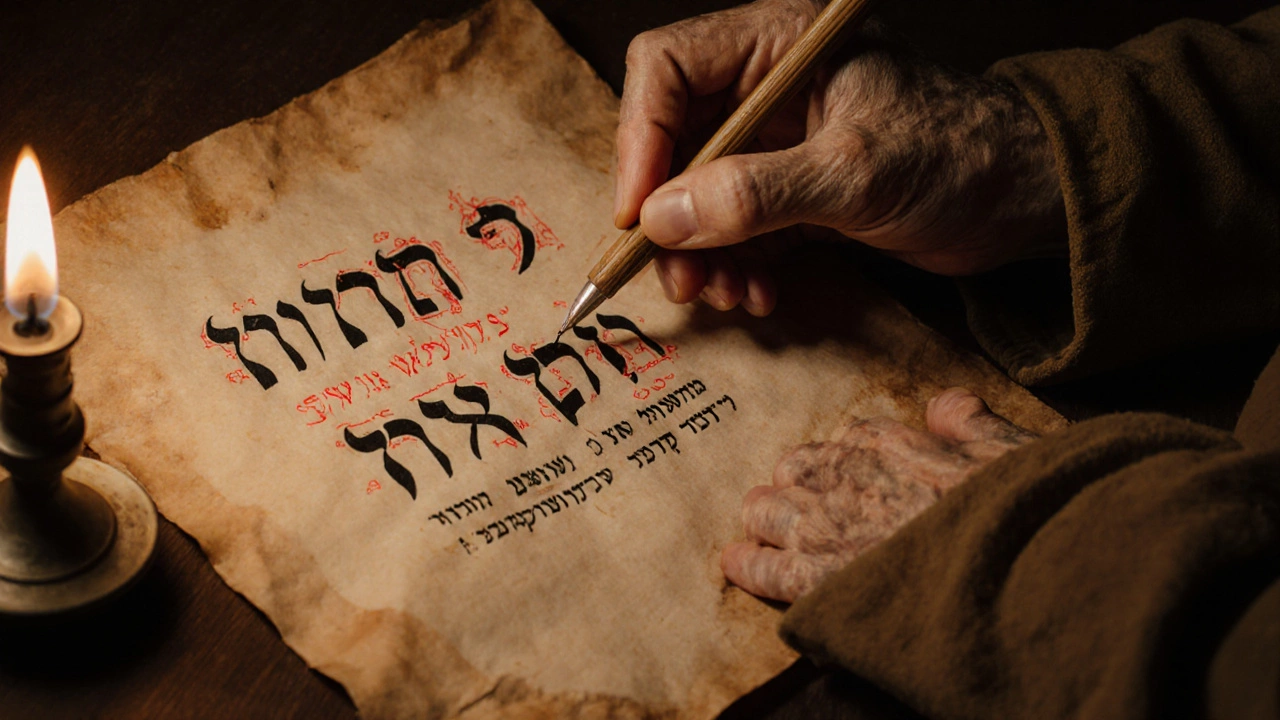
What Is the Real Name of God? Historical Insights and Mythic Roots
Explore the true name of God, from YHWH to Yahweh, and see how ancient religions treated sacred names in history and fiction.
Myth Fiction: Where Ancient Stories Spark Modern Tales
Myth fiction blends old myths with new stories, creating books that feel both familiar and fresh. Readers get a look at gods, monsters, and heroes outside of dusty old legends. This genre isn't just re-telling—it reshapes ancient myths for today’s world. Fans of fantasy and history find a lot to love in myth fiction. Get ready to discover why these stories never seem to go out of style.

Draco's Boyfriend: Unveiling the Mysteries
Mythological fiction often blends fantasy with deeply human stories, and the tale of Draco and his mysterious boyfriend is no exception. As new angles of this myth unfold, readers are taken on an adventure filled with curious twists and archetypal love stories. Dive into the world of Draco to discover the unique dynamics of his relationships, some secrets of mythology, and what these tales tell us about relationships. This adventure not only tantalizes fantasy enthusiasts but also provides insights reflective of human experiences.
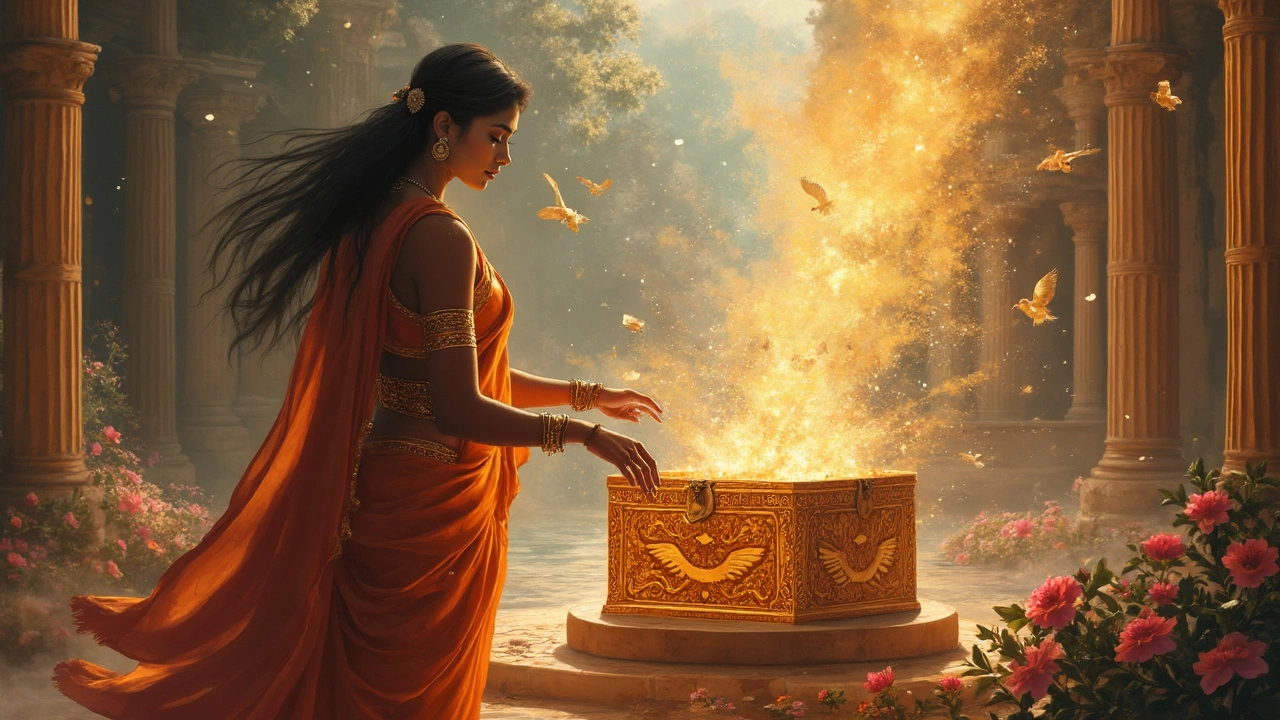
Was Pandora the First Woman? Unraveling Myth and Mystery
Pandora, often revered as the first woman in Greek mythology, opens a box unleashing chaos upon the world. Are these tales just ancient stories, or is there more to Pandora's story? This article explores her origins, symbolism, and legacy, offering a unique view on whether she was truly the first woman and what that means in the context of mythological narratives.

Exploring Mythology in Fiction: Unveiling a Genre's Magic
Mythological fiction is a captivating genre where myths, legends, and folklore inspire imaginative storytelling. This literary category weaves ancient tales with contemporary narratives, offering readers a blend of the fantastical and the familiar. Embark on a journey to understand the intricacies of mythical storytelling, its roots, and how it continues to enchant audiences today. Discover the elements that make mythological fiction unique and tips for readers and writers alike.