Scare Factor Calculator
How Fear Works
Based on the techniques that made Nosferatu the first truly scary movie, this calculator measures how effectively different horror elements create fear. Nosferatu relied on stillness, shadows, silence, and the fear of the unknown rather than jump scares or gore.
The first scariest movie ever made wasn’t filled with jump scares, blood, or CGI monsters. It didn’t need them. In 1922, a black-and-white silent film crept into theaters and left audiences trembling in their seats-not because of what they saw, but because of what they couldn’t unsee. That film was Nosferatu.
Why Nosferatu Still Haunts Audiences
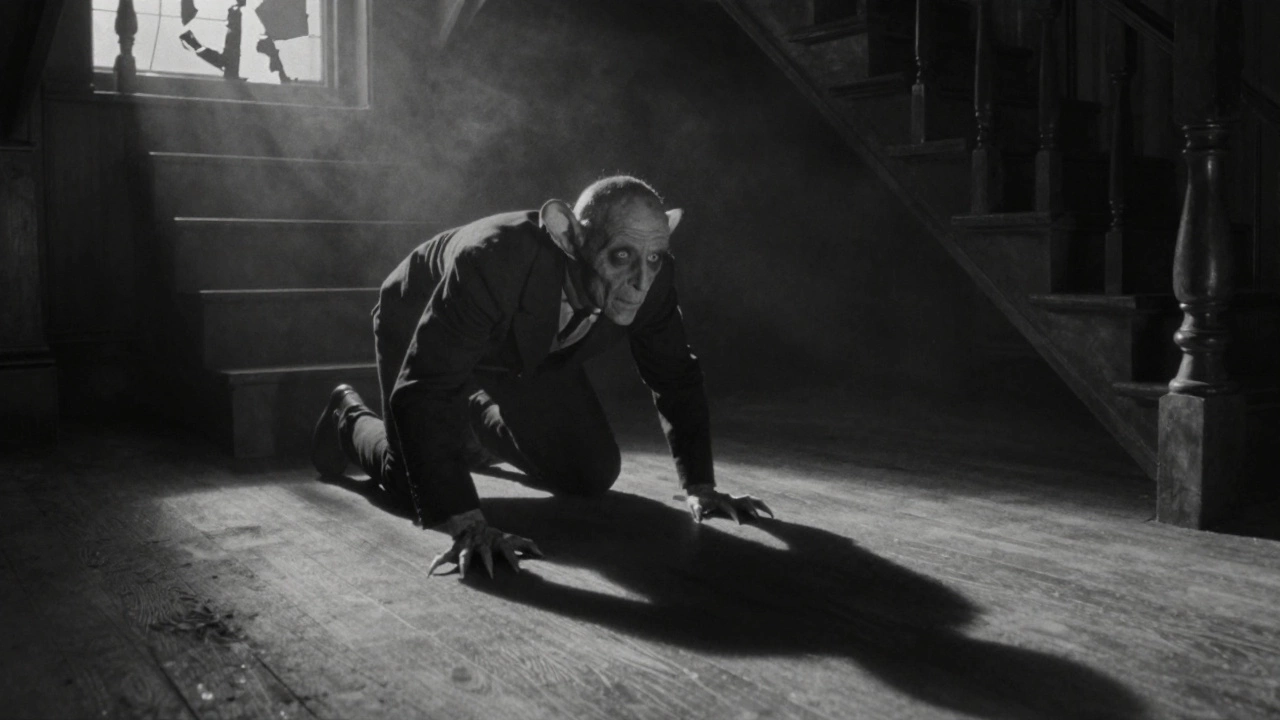
His fingers were long and clawed. His face was sunken, rat-like, with exposed teeth and hollow eyes. He didn’t speak. He didn’t need to. His presence alone made viewers feel the cold breath of death on their necks. In one scene, he sits motionless on a train, his shadow stretching across the floor like a living stain. No music. No dialogue. Just silence-and the slow, inevitable approach of something inhuman.
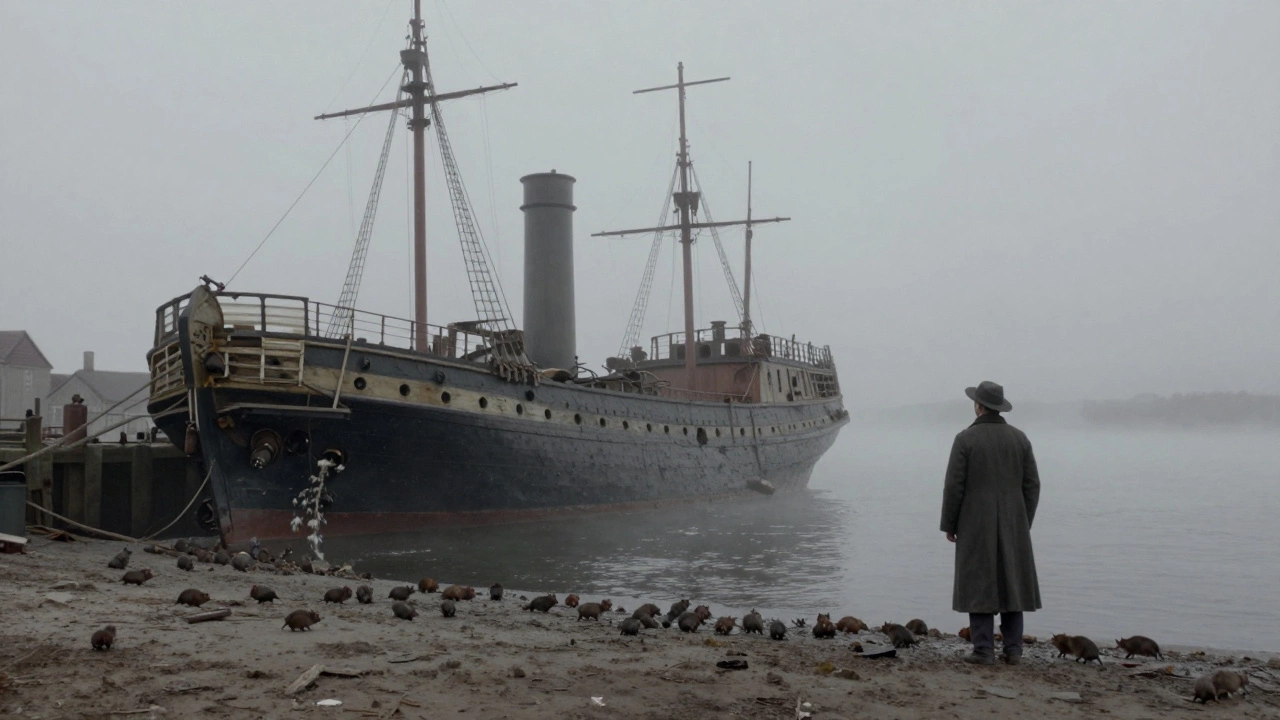
When he arrives in the town of Wisborg, plague follows. Rats pour from his ship. People die. The townspeople lock their doors. But it’s too late. The horror isn’t in the violence-it’s in the helplessness. There’s no hero with a stake or holy water. There’s only a woman who sacrifices herself, and a vampire who vanishes at dawn, leaving behind nothing but decay.
How It Was Made-And Why It Almost Didn’t Exist
Nosferatu was made on a shoestring budget. The crew shot on location in real castles, abandoned towns, and fog-drenched forests in Czechoslovakia. They used natural light, practical effects, and real rats. The makeup for Orlok took hours to apply. Schreck, the actor, reportedly refused to break character even off-camera. Crew members whispered he might actually be a vampire.
Stoker’s widow sued the studio for copyright infringement. The court ordered all copies destroyed. Most were. But a few survived-hidden in basements, tucked inside film cans, passed hand to hand. One copy ended up in a Parisian attic. Another was found in a Berlin warehouse decades later. Without those survivors, horror cinema might have never gotten off the ground.
What Made It Scary-Then and Now
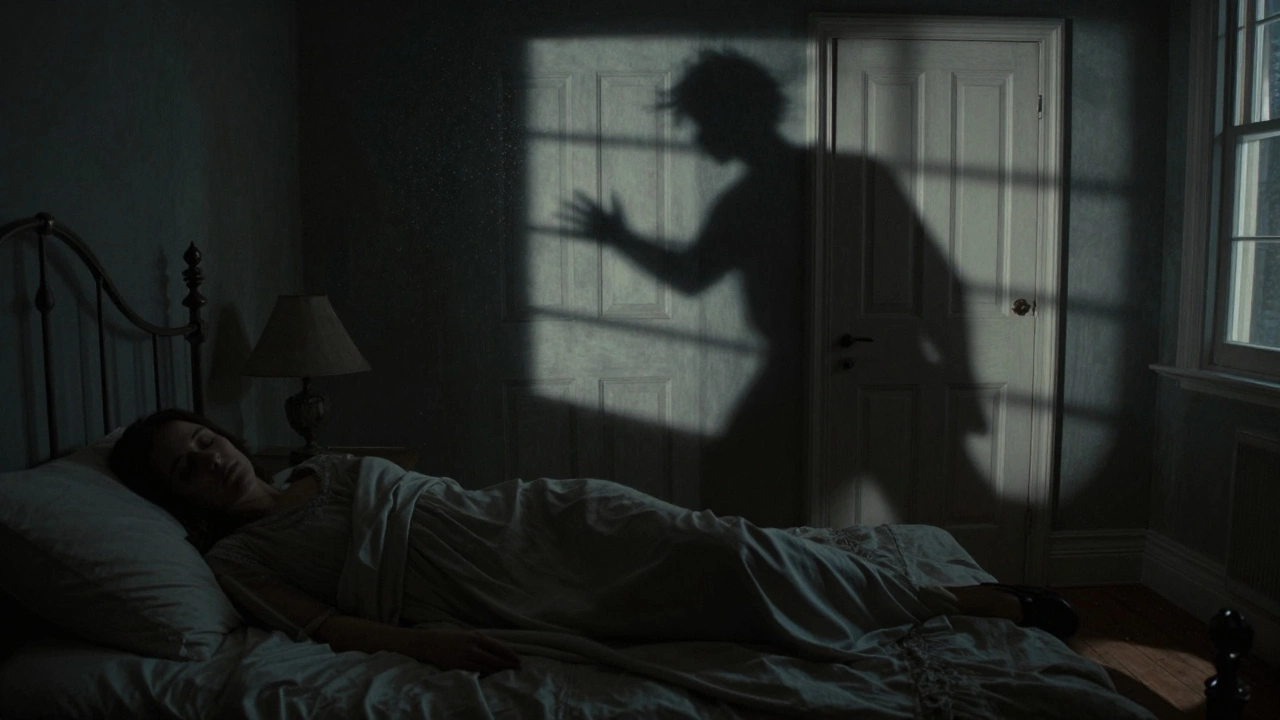
Modern horror relies on loud sounds, sudden cuts, and gore. Nosferatu did the opposite. It used stillness. It used shadows. It used the fear of the unknown. The scene where Orlok climbs the stairs to Ellen’s bedroom? No music. No screams. Just the creak of wood, the slow tilt of the camera, and the realization that something is coming-and you can’t stop it.
That’s what made it the first truly scary movie. It didn’t rely on what you could see. It relied on what you imagined. And imagination is far more powerful than any special effect.
Even today, when you watch it, you don’t feel entertained. You feel watched. The film doesn’t ask you to cheer for a hero. It asks you to survive. And in that, it’s still unmatched.
How It Changed Horror Forever
Nosferatu didn’t just scare people-it invented the template. The isolated setting. The silent, lurking monster. The plague as a metaphor for fear. The doomed protagonist who can’t be saved. These became staples in every horror film that followed-from Bram Stoker’s Dracula to The Witch and Hereditary.
It also proved that horror didn’t need dialogue. A look, a shadow, a movement could be enough. That’s why modern filmmakers like Robert Eggers and Ari Aster still study Nosferatu. Not for its effects, but for its patience. For its silence. For the way it lets fear grow slowly, like mold on a wall.
Even the film’s pacing feels intentional. Scenes drag. Time stretches. You start to feel the same dread the characters feel. You wait for the next move. And when it comes, it’s never what you expect.
Where to Watch It-And What to Expect
Nosferatu is in the public domain, so you can watch it for free on YouTube, Internet Archive, or Kanopy. But don’t watch it on your phone in bed with the lights on. Watch it on a big screen, late at night, with the volume low. Let the silence sink in. Let the shadows breathe.
There’s no soundtrack in the original version-just the faint hum of a projector. Some modern releases add music, but the original is better. The silence is the monster.
And if you’re wondering whether it’s still scary today? Ask yourself this: Have you ever felt like something was watching you from the corner of the room-when you knew no one was there? That’s the feeling Nosferatu gives you. Not because it’s loud. But because it’s real.
Why No Other Film Before It Came Close
Before Nosferatu, horror was mostly comedy or spectacle. Think Frankenstein (1910)-a short, silly, poorly lit film with a man in a tinfoil suit. Or The Cabinet of Dr. Caligari (1920)-a surreal dream with painted sets. Both had style. Neither had terror.
Nosferatu was different. It didn’t pretend to be fantasy. It felt like a documentary of something that shouldn’t exist. The grainy film stock, the real locations, the lack of actors smiling at the camera-it all added up to something that felt true. And that’s what made it terrifying.
It wasn’t just the first horror movie. It was the first time a movie made you believe the monster was real.
What Comes After Nosferatu
After 1922, horror changed forever. Universal’s Dracula in 1931 borrowed its look but softened its edges. Hammer Horror in the 1950s added color and blood. But none of them captured the raw, quiet dread of Nosferatu.
Even today, when studios churn out remakes and sequels, the best horror still follows its lead. The Babadook (2014) uses silence and grief. The Lighthouse (2019) uses isolation and madness. They’re not copies-they’re descendants.
Nosferatu didn’t just start the genre. It defined what horror could be: not a spectacle, but a haunting.
Is Nosferatu the first horror movie ever made?
No, it’s not the first horror movie-films like Le Manoir du Diable (1896) and Frankenstein (1910) came earlier. But it’s the first one that truly scared people. Earlier films were more like spooky cartoons. Nosferatu made horror feel real, and that’s why it’s called the first scariest movie.
Why is Nosferatu considered a silent film?
It’s a silent film because it was made before synchronized sound became common in theaters. There’s no spoken dialogue. Instead, actors used exaggerated gestures and title cards to tell the story. The fear comes from visuals-movement, shadow, and silence-not words.
Was Count Orlok based on a real person?
No, Count Orlok isn’t based on a real person. But actor Max Schreck reportedly had a strange, reclusive personality. Crew members claimed he never smiled, stayed in character, and refused to eat with others. Some even joked he might be a vampire. It’s likely just a myth-but it added to the film’s eerie reputation.
Can I watch Nosferatu today?
Yes. Since the film is in the public domain, you can watch it for free on platforms like YouTube, Internet Archive, and Kanopy. The original 1922 version has no soundtrack. Some modern versions add music, but the silent version is the most powerful.
Why didn’t the studio just pay for the rights to Dracula?
The studio, Prana Film, was tiny and broke. They thought they could get away with making a loose adaptation without paying. They changed names-Dracula became Orlok, Transylvania became Wisborg-but the story was too close. When Stoker’s widow sued, the court ordered all copies destroyed. Luckily, a few survived.
Final Thought: The Lasting Shadow
Nosferatu didn’t just scare audiences in 1922. It changed how we experience fear in movies. It proved that the scariest things aren’t the ones you see-they’re the ones you feel in your bones. The cold draft behind you. The shadow that doesn’t move when the light does. The silence after the door clicks shut.
That’s why, over 100 years later, it’s still the first scariest movie. Not because it’s the oldest. But because it’s the one that never let go.