Adventure Story Setting Generator
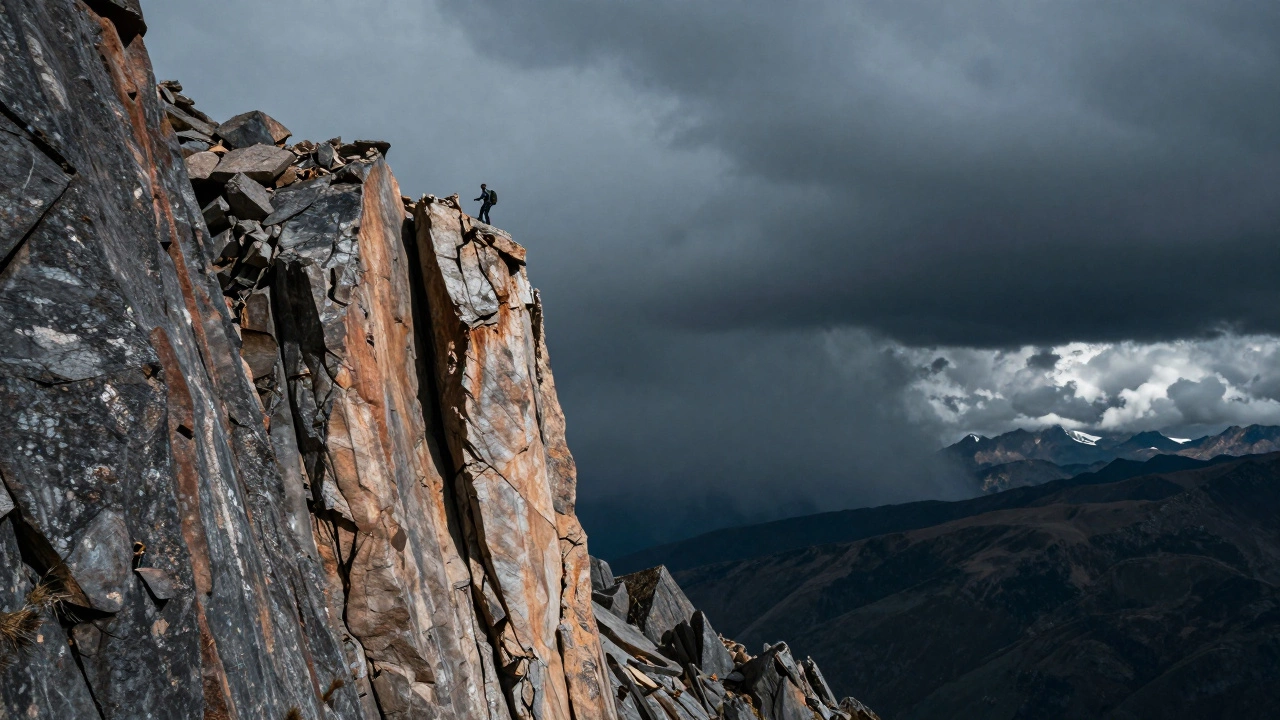
Imagine reading a thriller where the hero is trapped in a stuffy office on a rainy Tuesday. It’s boring, right? Now imagine that same hero scaling a crumbling cliff face in the Andes, with a storm rolling in behind them. Suddenly, you’re holding your breath. The difference isn’t just the action; it’s the adventure story setting. This is the physical environment and atmosphere that drives the conflict, challenges the protagonist, and creates the stakes in an adventure narrative.
In adventure fiction, the setting is never just a backdrop. It’s a character. It’s the antagonist. It’s the reason the hero can’t just call for help or drive home. Whether it’s the dense jungles of Lost Horizon or the frozen wastes of The Martian, the location dictates the rules of survival. If you are writing an adventure story, or simply trying to understand why certain books grip us so tightly, understanding how setting functions is key.
The Role of Setting in Adventure Fiction
Most genres treat setting as scenery. In romance, the Parisian café sets the mood. In literary fiction, the small town reflects social dynamics. But in adventure, the setting is active. It attacks. It hides secrets. It demands physical exertion.
Think about the core promise of the adventure genre: risk. Risk requires obstacles. Nature provides the most primal obstacles. A desert doesn’t care if you are tired. An ocean doesn’t negotiate. By placing characters in extreme environments, authors automatically raise the stakes without needing a villain to monologue. The setting becomes the primary source of tension.
This concept is often called "hostile terrain." For a setting to work in an adventure story, it must be difficult to navigate. It should have specific dangers-heat, cold, altitude, predators, or isolation. These elements force the protagonist to use their skills, intelligence, and endurance. Without a challenging setting, you don’t have an adventure; you have a road trip.
Classic Adventure Story Setting Examples
To see this in action, let’s look at some iconic examples. These aren’t just places; they are engines of plot.
| Title | Setting | Primary Challenge | Why It Works |
|---|---|---|---|
| Road to Wigan Pier (Non-fiction/Adventure hybrid) | Industrial England | Social decay, poverty | Human environment as obstacle |
| The Lost World by Arthur Conan Doyle | Amazonian Plateau | Dinosaurs, unknown flora | Isolation + Prehistoric threat |
| Moby-Dick by Herman Melville | The Open Ocean | Isolation, weather, madness | No escape route; total dependence on crew |
| Into Thin Air by Jon Krakauer | Mount Everest | Oxygen deprivation, altitude | Physical limits of human body |
| The Martian by Andy Weir | Mars Surface | Hostile atmosphere, radiation | Science-based survival puzzle |
Notice the pattern? In The Lost World, the plateau isolates the explorers from civilization, forcing them to rely on each other while facing ancient threats. In The Martian, Mars is not just a red planet; it is a vacuum that kills you in seconds if your suit fails. The setting defines the problem. The plot is the solution.
Types of Adventure Settings
While every adventure is unique, settings usually fall into a few broad categories. Knowing these helps you choose the right flavor for your story.
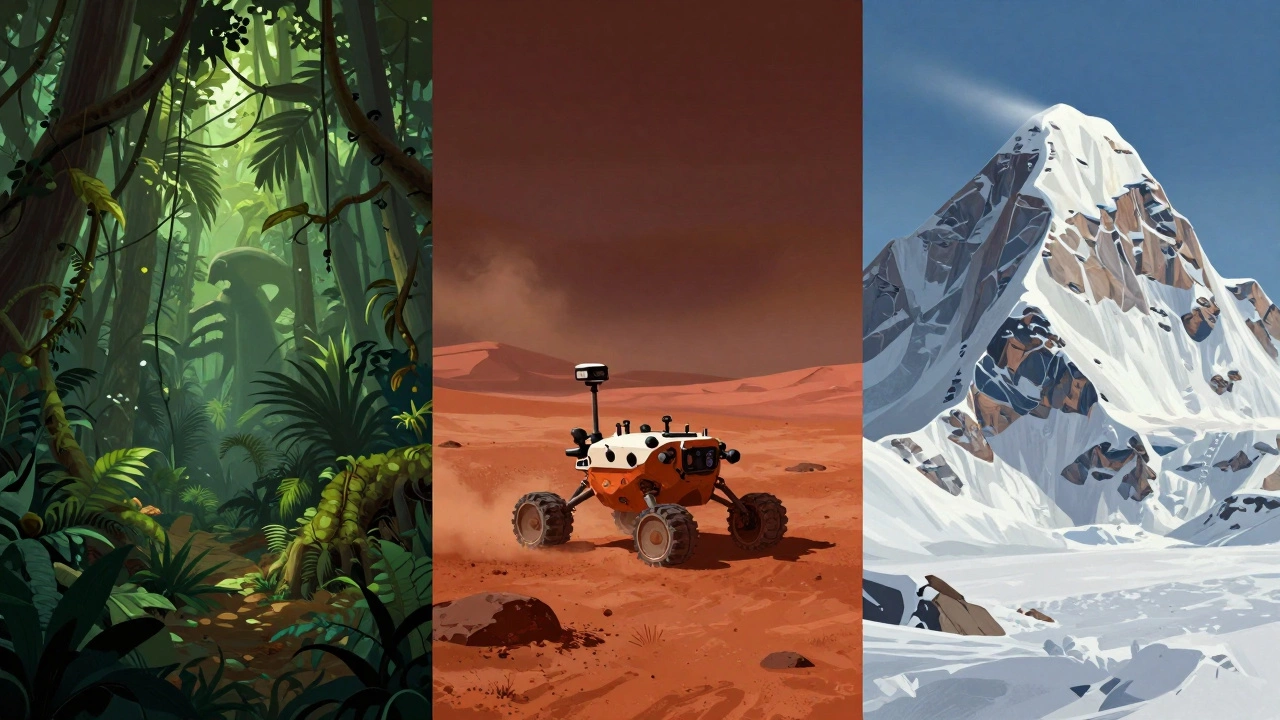
- Wilderness/Nature: Jungles, deserts, mountains, oceans. These settings test physical endurance. Think Jurassic Park or Cast Away. The danger is natural and indifferent.
- Urban Exploration: Abandoned cities, underground tunnels, war zones. Here, the danger is human-made or societal. Think The Maze Runner or Unbroken (POW camps). The setting is claustrophobic and political.
- Exotic/Fantasy Lands: While fantasy has its own category, adventure often overlaps. Think Indiana Jones exploring ancient temples. The setting is mysterious, filled with traps and history.
- Space/Sci-Fi Environments: Planets, space stations, alien worlds. These combine wilderness isolation with high-tech failure risks. Think Interstellar or Alien.
How to Build a Compelling Adventure Setting
If you are writing an adventure story, you can’t just pick a cool map. You need to build a setting that interacts with your plot. Here is how to do it effectively.
1. Make the Environment Active
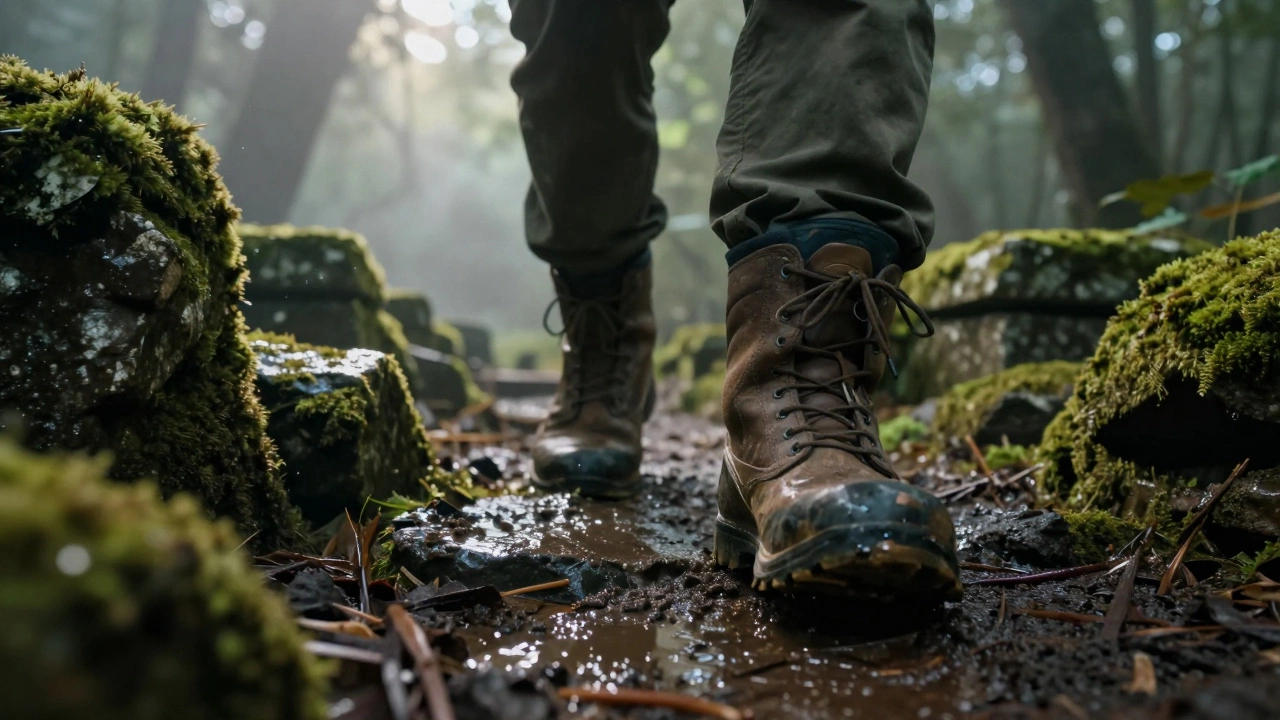
Don’t describe the sunset unless the sun is blinding your character and causing them to miss a step. Every sensory detail should serve the conflict. Is the wind howling? Does it mask the sound of approaching enemies? Is the ground muddy? Does it slow down the chase? Connect the description directly to the action.
2. Define the Rules of Survival
Every setting has constraints. In a desert story, water is currency. In a submarine thriller, oxygen is the clock. Identify the one resource that is scarce and make it central to the plot. This creates immediate tension. Readers will worry about whether the character will run out before they reach safety.
3. Use Geography as a Puzzle
Great adventure stories often involve navigation. The characters shouldn’t know exactly where they are or how to get out. Use maps, landmarks, and natural barriers to create puzzles. The hero might need to cross a river during low tide, or find a pass through the mountains before winter closes it. Geography should dictate the timeline.
4. Contrast Beauty with Danger
The best adventure settings are often breathtakingly beautiful but deadly. The Himalayas are stunning, but they kill thousands. The Amazon is lush, but full of venomous snakes. This contrast highlights the theme: nature is magnificent, but it does not care about you. This adds depth to the setting beyond just being a obstacle course.
Common Mistakes to Avoid
Even experienced writers stumble when handling adventure settings. Here are three pitfalls to watch out for.
Info-dumping geography: Don’t start with a paragraph explaining the history of the jungle. Drop the reader in the middle of the vines and sweat. Reveal details as the character discovers them. If they touch a poisonous plant, tell us about the plant then, not on page one.
Ignoring logistics: Adventure readers love realism. If your character is walking across the Sahara, they need water, food, and shade. If you ignore basic survival needs, you break immersion. Research the specifics of your setting. How long can a human go without sleep? What temperature causes hypothermia? Get the facts right.
Making the setting passive: If the storm could happen anywhere, it’s not specific enough. Tie the weather or terrain to the local environment. A sandstorm behaves differently than a snowstorm. Use specific terminology and details that show you know the place.
Why Setting Matters for Reader Engagement
Ultimately, the setting sells the dream. People read adventure stories to experience danger safely. They want to feel the adrenaline of the climb, the fear of the deep, the thrill of the discovery. A weak setting keeps the reader at arm's length. A strong setting pulls them in.
When you nail the setting, you also enhance the character arc. The environment breaks the hero down physically, forcing them to rebuild themselves mentally. The harshness of the setting mirrors the internal struggle. This is why Into the Wild resonates so deeply-the Alaskan wilderness is both the killer and the liberator for Christopher McCandless.
So, next time you plan an adventure, ask yourself: What is the hardest place for my character to survive? Put them there. Then, write the hell out of it.
What makes a good setting for an adventure story?
A good adventure setting is hostile, isolated, and specific. It should present physical challenges like extreme weather, difficult terrain, or scarcity of resources. The setting must actively impede the protagonist's goal, forcing them to use their skills to survive. It should also have a sense of mystery or discovery to keep the reader engaged.
Can an adventure story take place in a city?
Yes, absolutely. Urban adventures focus on man-made dangers like crime, war, or complex infrastructure. Think of heist movies or spy thrillers set in crowded metropolises. The key is that the city must feel overwhelming or dangerous, acting as a maze or trap rather than a safe haven.
How detailed should I make my setting descriptions?
Keep descriptions tight and relevant. Only include details that affect the plot or mood. If a rock is slippery, mention it because someone slips. Avoid long paragraphs of static description. Instead, weave sensory details into the action so the reader experiences the setting through the character's eyes in real-time.
What is the difference between adventure and fantasy settings?
Adventure settings are typically grounded in reality, even if exotic. Fantasy settings introduce magic, mythical creatures, or impossible physics. However, they overlap significantly. Many fantasy stories are adventures, and many adventure stories have magical elements. The distinction lies in whether the supernatural is explained by science/logic (adventure/sci-fi) or magic (fantasy).
How does setting influence character development in adventure novels?
The setting strips away comfort and civilization, forcing characters to reveal their true selves. Under pressure, people change. A coward might become brave to save a friend; a arrogant leader might learn humility. The harsh environment acts as a crucible, testing the character's values and strengths, leading to significant personal growth by the end of the story.