Gen Z Reading "Vibe" Finder
Forget categories. In the world of BookTok, we read by vibes. Select the mood that matches your current energy:
Your Recommended Vibe:
Suggested Tropes to Search:
- BookTok Influence: Short-form video remains the primary engine for book discovery.
- Genre Blending: "Romantasy" and climate-fiction are dominating the charts.
- Format Shift: E-books and audiobooks are now equal in popularity to physical copies.
- Thematic Focus: Mental health, identity, and systemic critique are core themes.
Think Gen Z doesn't read because they're glued to their phones? Think again. The truth is, they're reading more than ever-they're just doing it differently. While the older generations might look at a screen and see a distraction, for a 20-year-old, that screen is a gateway to a community of millions sharing their latest emotional wreckage over a 60-second clip. Reading has shifted from a private, solitary act to a social performance and a digital identity marker.
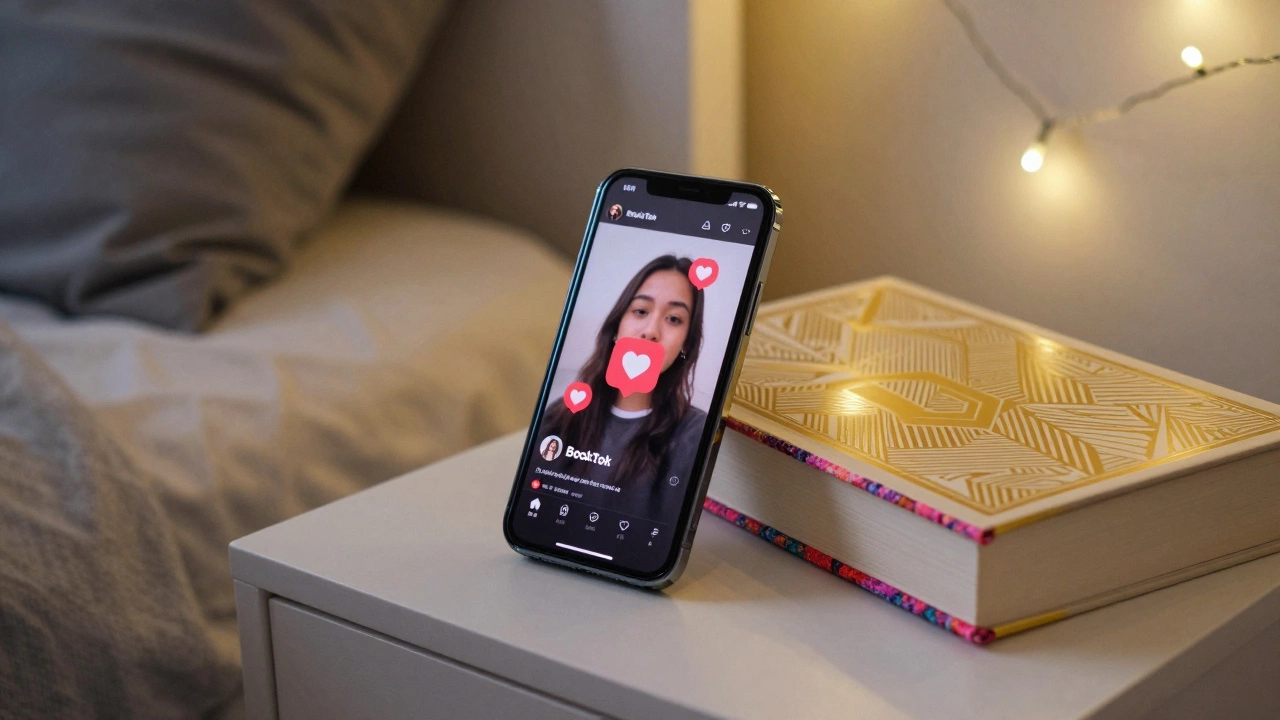
The BookTok Phenomenon and Viral Discovery
You can't talk about Gen Z is the demographic cohort succeeding Millennials, born roughly between 1997 and 2012 reading habits without mentioning BookTok. This corner of TikTok is essentially a global, decentralized book club. It doesn't just suggest titles; it creates cultural moments. When a book goes viral here, it doesn't just climb the charts-it disrupts the entire publishing industry. We've seen titles from ten years ago suddenly hit number one because a creator posted a video of themselves sobbing while reading the final chapter.
This trend has shifted the power from traditional critics and prestigious newspapers to individual creators who prioritize emotional resonance over literary structure. If a book can make you feel a specific, intense emotion-whether it's "found family" warmth or absolute devastation-it has a high chance of trending. The aesthetic of the book, from the cover art to the "sprayed edges," also plays a massive role in its popularity, turning physical books into collectible art pieces.
The Rise of Romantasy and Genre Mashups
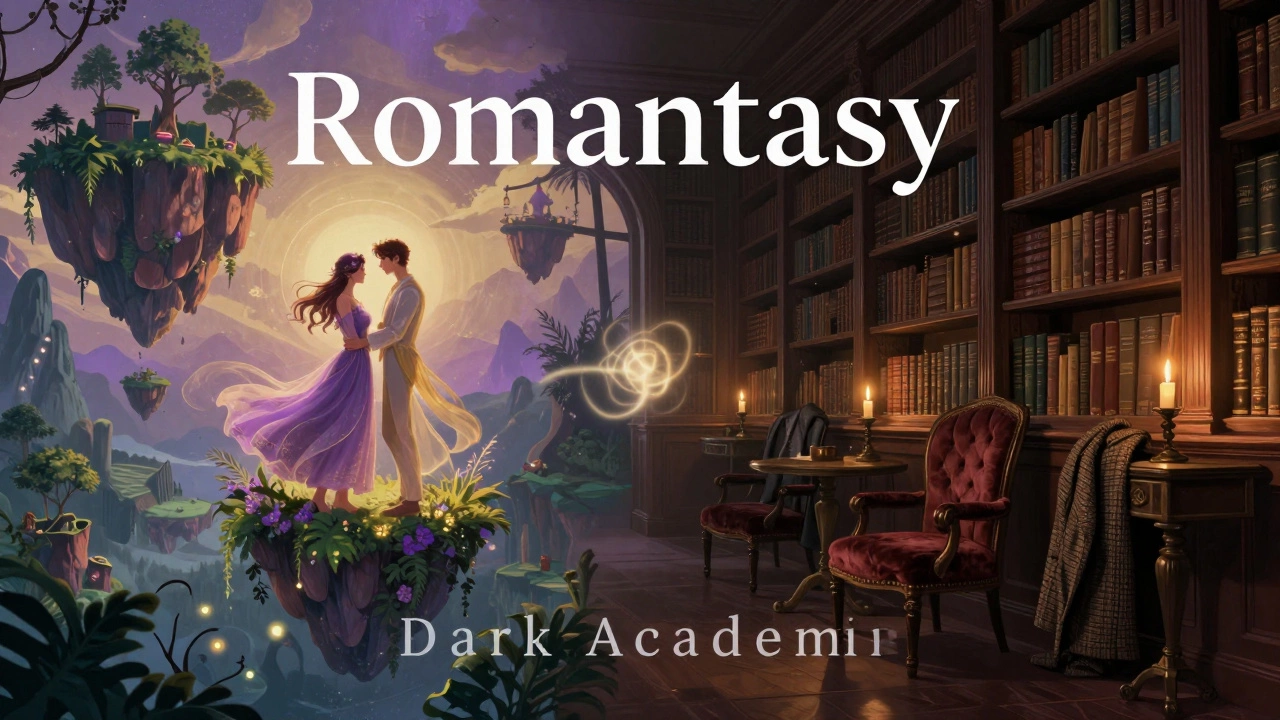
One of the most dominant trends right now is the explosion of Romantasy, which is a portmanteau of romance and fantasy. This isn't just "fantasy with a romance subplot." These are stories where the romantic tension is just as critical as the world-building. Think high-stakes political intrigue in a magical realm paired with slow-burn relationships.
Why does this work for this generation? Because it provides a complete escape. In a world characterized by economic instability and climate anxiety, the combination of a magical world and a guaranteed emotional payoff (the romance) is a powerful psychological balm. This has led to a surge in Young Adult (YA) and New Adult crossovers, where the characters are slightly older-college age or early twenties-reflecting the actual age of the readers.
| Old Trend | New Gen Z Trend | Key Appeal |
|---|---|---|
| Traditional High Fantasy | Romantasy | Emotional intimacy + Escapism |
| Classic Coming-of-Age | Dark Academia | Aestheticism + Intellectual obsession |
| Linear Romance | Trope-Driven Fiction | Predictable comfort (e.g., "Enemies to Lovers") |
| Standard Dystopia | Solarpunk / Hopepunk | Optimism in the face of crisis |
Dark Academia and the Romanticization of Learning
Have you noticed a sudden obsession with tweed jackets, old libraries, and secret societies? That's Dark Academia. This isn't just a genre; it's an entire aesthetic. It focuses on the pursuit of knowledge, but usually with a sinister twist-think murders in a boarding school or obsessive research that leads to madness.
For Gen Z, this trend reflects a complex relationship with education. While many are skeptical of the cost and structure of modern university systems, they still deeply value the *idea* of learning and the prestige of intellectualism. It allows them to reclaim the "student" identity as something mysterious and moody rather than just a series of stressful exams and tuition bills. This has breathe new life into Literary Fiction and classics, as readers seek out the "vibe" of intellectual depth.
Mental Health and the "Healing" Narrative
Unlike previous generations, Gen Z has a very open and clinical vocabulary regarding mental health. This is reflected in the books they love. There is a massive demand for stories that explicitly deal with anxiety, depression, and neurodivergence. However, the trend has moved away from "trauma porn"-stories that only focus on the pain-toward narratives of healing and radical self-acceptance.
Non-fiction has also shifted. Traditional "hustle culture" self-help books that tell you to wake up at 5 AM and grind are out. In their place are books on boundaries, mindfulness, and "gentle productivity." This generation is less interested in climbing a corporate ladder and more interested in surviving a burnout-heavy world. They gravitate toward authors who acknowledge that the system is broken, rather than telling the individual they just aren't working hard enough.
Digital Formats: The Hybrid Reading Experience
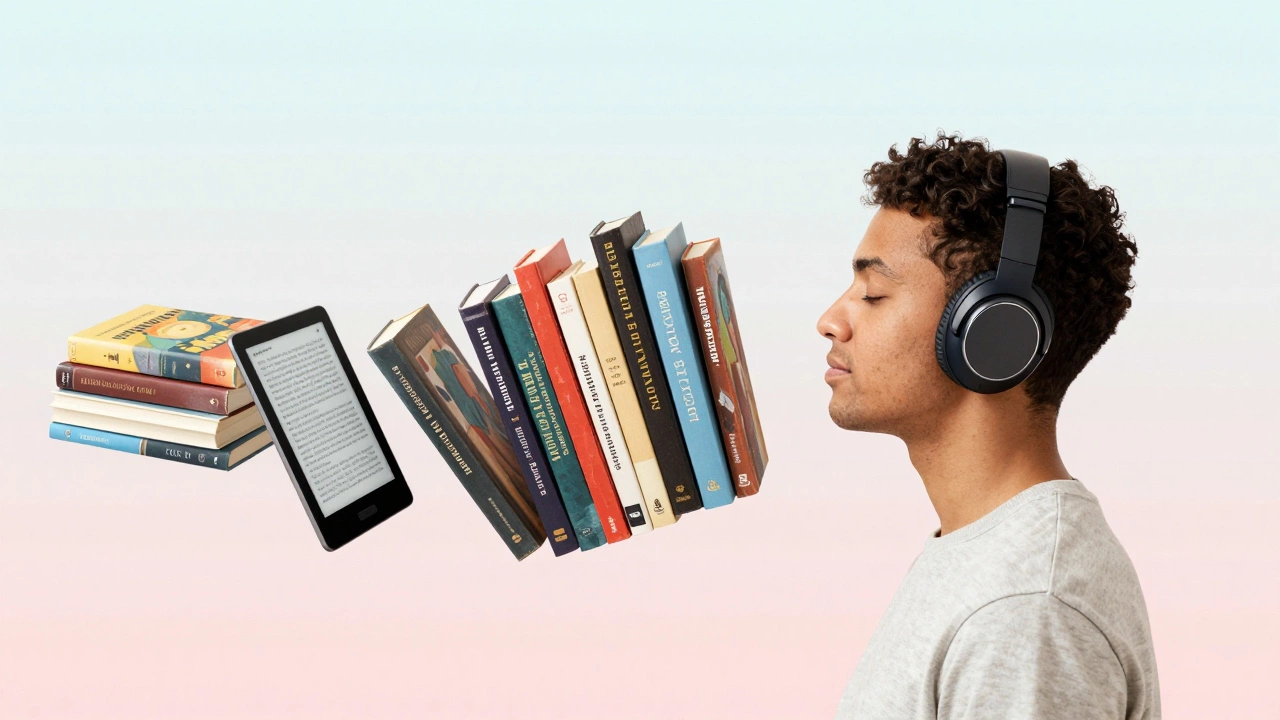
The debate between physical books and e-readers is effectively over because Gen Z uses both interchangeably. Kindle and other e-ink devices are popular for convenience and privacy (no one knows you're reading a spicy romance on a bus), but physical books are bought for the "shelfie"-the curated bookshelf that acts as a visual representation of their personality on social media.
Furthermore, Audiobooks have exploded. For a generation that grew up with podcasts and Spotify, listening to a story is a primary way to consume literature. Many Gen Z readers "read" while multitasking-cleaning, commuting, or gaming-making audiobooks a vital part of their literary intake. The rise of celebrity narrators and full-cast audio dramas has turned listening into a cinematic experience.
Diverse Voices and the Demand for Authenticity
Representation isn't a "bonus feature" for Gen Z; it's a requirement. They are the most diverse generation in history, and they expect the books they read to reflect that. This has led to a surge in popularity for authors from the Global South, LGBTQ+ writers, and indigenous storytellers. They are particularly interested in "own voices" narratives, where the author shares a lived experience similar to the protagonist.
This demand has forced traditional publishing houses to change how they acquire manuscripts. There is a much higher tolerance for experimental structures and non-linear storytelling, as long as the emotional core feels authentic. They are less likely to trust a corporate-curated list and more likely to trust a recommendation from a creator who shares their values. This has created a golden age for indie publishing and self-published authors who can bypass the traditional gatekeepers.
Do Gen Z readers actually prefer physical books?
It's a mix. They value the tactile experience and the social status of a physical library, but they rely heavily on digital formats for accessibility and speed. Many practice "hybrid reading," where they start a book on an e-reader and buy a physical copy later for their collection.
What are the most popular tropes right now?
"Enemies to Lovers" remains the gold standard, but "Found Family," "Only One Bed," and "Grumpy x Sunshine" are also incredibly popular. These tropes provide a familiar emotional framework that allows readers to focus on the chemistry between characters.
Is the Young Adult category still relevant?
Yes, but the boundaries have blurred. There is a significant rise in "New Adult" fiction, which targets 18-25 year olds and handles more mature themes and complex relationship dynamics than traditional YA.
How does social media actually affect what they read?
Social media acts as a filter. Instead of browsing a bookstore by category, they browse by "vibe" or "trope." A single viral video can make a book a bestseller overnight, regardless of when it was published or who reviewed it.
Why is Dark Academia so popular?
It romanticizes the pursuit of knowledge and the aesthetic of old-world education. It appeals to the desire for intellectual depth while adding a layer of mystery and drama that makes academic settings feel more exciting.
Next Steps for Readers and Authors
If you're looking to get into what Gen Z is reading, start by exploring the "BookTok" or "Bookstagram" hashtags to see which tropes are currently peaking. For authors, the key is focusing on emotional beats and high-concept hooks. Don't be afraid to blend genres-the current market loves a story that doesn't fit neatly into one box.
If you're a reader feeling overwhelmed by the volume of viral titles, try looking for "micro-influencers" who share your specific niche interests. The beauty of the current reading landscape is that no matter how weird your taste is, there is a digital community out there already discussing it.