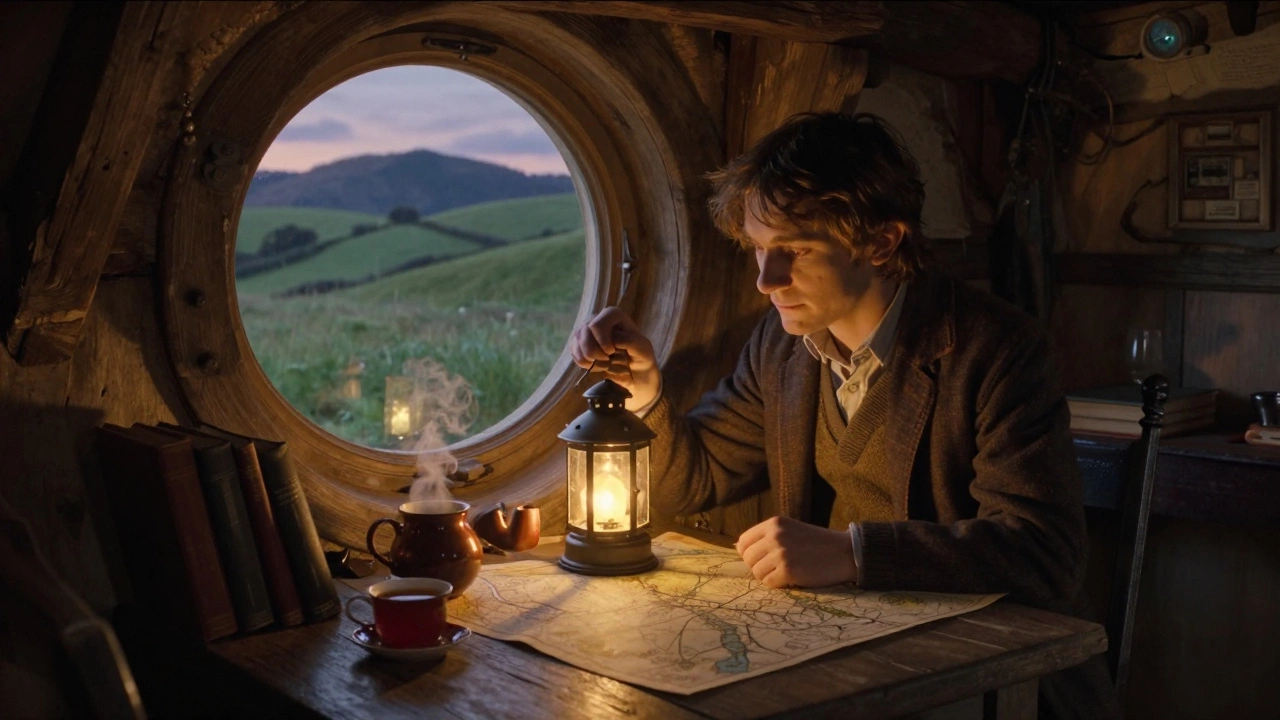
If you’ve ever opened a fantasy novel and felt lost in a world of dragons, magic systems, and names you can’t pronounce, you’re not alone. The genre is huge-thousands of books, dozens of subgenres, and enough lore to fill a library. But you don’t need to read 50 books before finding your first favorite. The right starting point isn’t about picking the most famous book. It’s about picking the one that feels like a door opening, not a wall slamming shut.
Start with something that feels like a story, not a textbook
Too many new readers get pushed toward Lord of the Rings because it’s the granddaddy of fantasy. But Tolkien’s prose is dense, his pacing slow, and his world-building so deep it can feel like homework. You don’t need to start with the heaviest book on the shelf. You need something that pulls you in fast.
Think of it like learning to swim. You wouldn’t jump into the deep end with a life jacket on and expect to learn. You start in the shallow end, with clear water and a gentle slope. The same goes for fantasy. Look for books with:
- Clear, simple magic rules
- Relatable main characters
- Fast pacing and short chapters
- Minimal infodumping
- A story that matters more than the map
These aren’t just tips-they’re the signs of a book designed for newcomers.
The top five beginner-friendly fantasy novels
Here are five books that have introduced millions to fantasy without overwhelming them. These aren’t the most award-winning. They’re the most accessible.
1. The Hobbit by J.R.R. Tolkien
Yes, the same author as Lord of the Rings. But The Hobbit is a completely different beast. It’s a cozy, humorous adventure about a shy hobbit named Bilbo Baggins who gets dragged into a quest to steal treasure from a dragon. The language is simple. The chapters are short. The stakes feel personal, not world-ending. It reads like a bedtime story told by a wise grandparent.
It’s the perfect gateway. You’ll finish it in a weekend. And if you like it, Lord of the Rings won’t feel like a mountain anymore-it’ll feel like the next step.
2. Harry Potter and the Sorcerer’s Stone by J.K. Rowling
It’s not just popular. It’s structured perfectly for new fantasy readers. Magic is explained through discovery. The world builds slowly, piece by piece. The characters are kids-you can relate. The villain is clear. The plot moves fast. There’s no confusing political intrigue. No 50-page backstory on ancient elven wars.
It’s fantasy as a coming-of-age tale. You’re not just reading about magic-you’re learning how to believe in it, alongside Harry. That’s why it works. It doesn’t ask you to memorize a rulebook. It asks you to feel wonder.
3. The Name of the Wind by Patrick Rothfuss
This one’s a little more literary, but it’s also one of the most emotionally gripping fantasy novels ever written. Kvothe, the main character, is a musician, a student, and a survivor. The story is told as a first-person memoir, so you’re not lost in third-person omniscient narration. The magic system-sympathy-is simple to grasp: you need to understand the true name of something to control it.
The prose is beautiful without being pretentious. The pacing is slow, but it’s slow on purpose-like a song building to a crescendo. If you like character-driven stories over epic battles, this is your entry point.
4. Mistborn: The Final Empire by Brandon Sanderson
Sanderson is known for complex magic systems, but he’s also one of the best at explaining them. In Mistborn, magic is called Allomancy-you ingest metals to gain powers. Iron pulls you toward metal objects. Copper hides your powers from others. The rules are clear, consistent, and visual.
The plot? A ragtag team of thieves tries to overthrow a god-like tyrant. The protagonist, Vin, is a street kid with no training and zero confidence. You root for her immediately. The book is fast, clever, and ends with a twist that makes you want to read the next one.
5. The Lies of Locke Lamora by Scott Lynch
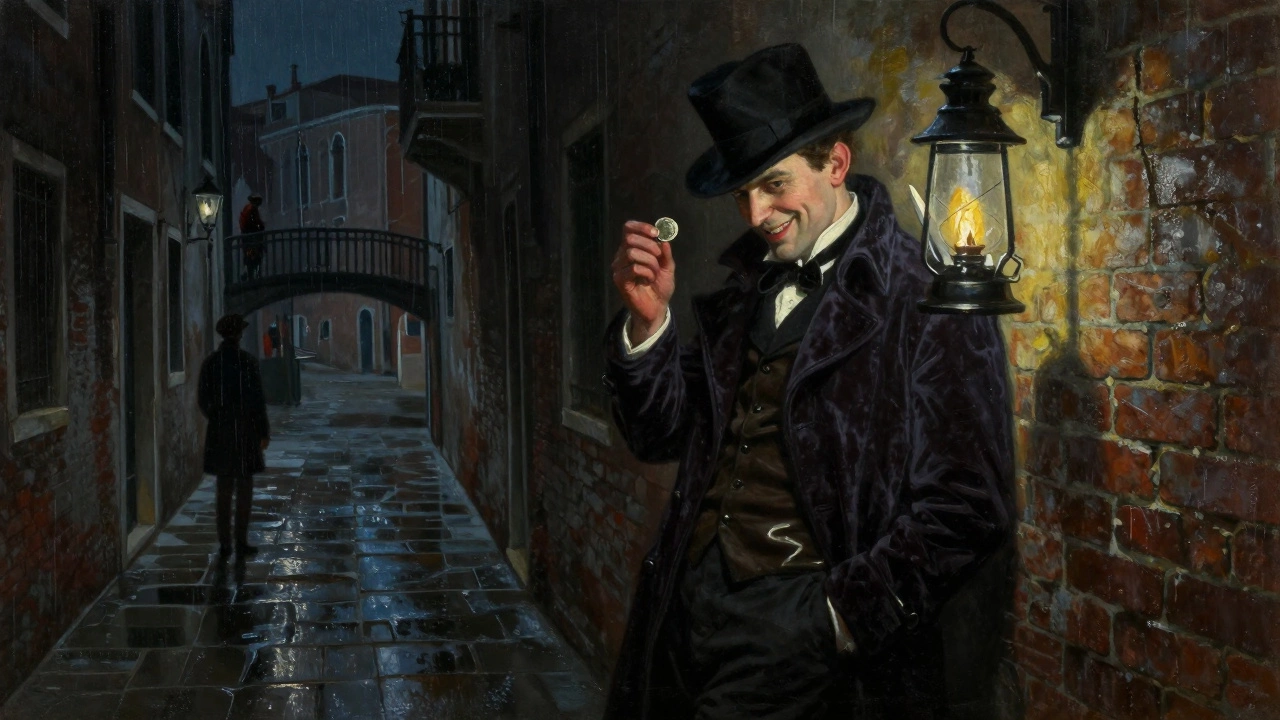
If you like heists, sharp dialogue, and morally gray characters, this is your book. Set in a city that feels like Venice crossed with a pirate port, it follows Locke Lamora, a con artist who pulls off impossible scams. There’s magic, but it’s rare and mysterious-never explained in long lectures. The focus is on people, not systems.
The tone is witty, dark, and full of swagger. It’s like Ocean’s Eleven meets Game of Thrones, but with better banter. You’ll laugh, you’ll gasp, and you won’t feel like you need a degree in fantasy to keep up.

What to avoid as a beginner
Not all fantasy is welcoming. Some books assume you already know the rules. Here’s what to skip until you’ve got your feet wet:
- A Song of Ice and Fire (Game of Thrones) - Too many characters, too many plot threads, too much political noise.
- The Wheel of Time - 14 books. The first one alone has 700 pages of world-building before the plot kicks in.
- The First Law trilogy - Great, but cynical and brutal. Better after you’ve tasted some hope in fantasy.
- Anything with a 20-page glossary of names and languages - If you need a dictionary to read the first chapter, put it down.
These aren’t bad books. They’re just not for your first time.
How to pick your first book
Don’t overthink it. Ask yourself these three questions:
- Do I want magic that feels like wonder, or magic that feels like science?
- Do I want a hero who’s brave from the start, or one who grows into courage?
- Do I want a story that ends in one book, or am I ready for a long journey?
If you want wonder and a single book? Go with The Hobbit or Harry Potter.
If you want a smart, emotional character arc? Try The Name of the Wind.
If you want fast action and a clever magic system? Mistborn is your pick.
If you want a gritty, funny heist? The Lies of Locke Lamora.
There’s no wrong choice here. The only wrong move is waiting for the “perfect” book to appear.
What comes next
Once you finish your first book, you’ll start noticing patterns. You’ll know whether you prefer epic battles or quiet magic. You’ll care more about characters than maps. You’ll start asking friends: “What should I read after this?”
That’s the real magic of fantasy. It doesn’t just give you stories. It gives you a community. A world you can keep returning to. And once you’ve found your first book, you’ll find more-not because you have to, but because you want to.
So open the first page. Don’t worry if you don’t understand everything. You don’t need to. Just let the story pull you in. The rest will follow.
What’s the easiest fantasy novel to start with?
The easiest fantasy novel to start with is The Hobbit by J.R.R. Tolkien. It’s short, has a clear plot, simple language, and a cozy tone. It doesn’t assume you know anything about elves, dwarves, or magic. You can finish it in a weekend, and it leaves you wanting more-not overwhelmed.
Is Game of Thrones good for beginners?
No, A Song of Ice and Fire (Game of Thrones) isn’t good for beginners. It has over 70 major characters, complex political plots, and slow pacing in the first book. The world-building is deep, but it’s buried under layers of names, houses, and betrayals. Wait until you’ve read at least one simpler fantasy novel before trying it.
Should I read fantasy in order?
You don’t need to read fantasy books in order unless they’re part of a direct series. Most fantasy novels are standalone or have loose connections. Start with any book that sounds interesting. You’ll learn the genre by reading, not by following a checklist.
Are there fantasy books without violence?
Yes. The Hobbit and Harry Potter and the Sorcerer’s Stone have minimal violence, especially in the early chapters. The Name of the Wind has some dark moments but focuses more on emotion and music than battle. Look for books labeled as “low fantasy” or “whimsical fantasy” if you want gentler stories.
How long should a beginner’s fantasy book be?
Aim for books under 400 pages for your first read. Anything longer can feel intimidating. The Hobbit is 310 pages. Harry Potter and the Sorcerer’s Stone is 309. Mistborn is 420, but it moves so fast you won’t notice. Avoid anything over 500 pages until you’ve built your reading stamina.