Political Views: Understanding Beliefs, Influence, and How Books Shape Them
When we talk about political views, personal beliefs about how society should be organized, governed, and changed. Also known as ideology, it's not just what you think about elections—it's the deeper story you tell yourself about fairness, power, and who gets to decide. These views don’t come from headlines. They grow from the books you’ve read, the stories that stuck with you, and the characters who made you question everything you thought you knew.
Books don’t just reflect political views—they shape them. Historical fiction like those exploring colonial rule or civil rights movements makes you feel the weight of systems you never lived through. Dark psychological thrillers show how power corrupts not just leaders, but entire communities. Even romance novels, when they center on women fighting for autonomy or queer couples demanding recognition, quietly challenge the status quo. The same way historical fiction, stories set in the past that use emotion to make history real helps us understand today, political fiction, narratives where power struggles drive character and plot forces us to ask: Who benefits? Who gets silenced? And what would I do if I were them?
You won’t find speeches or party platforms here. Instead, you’ll find books that let you walk in someone else’s shoes—whether it’s a teenager in a dystopian school system, a journalist uncovering corruption, or a mother fighting for her child’s future under an oppressive regime. These aren’t abstract ideas. They’re lived experiences turned into pages. The posts below don’t just list books about politics—they show you how stories become acts of resistance, how quiet characters spark revolutions, and why reading fiction can be the most dangerous thing you do.
What you’ll find here isn’t a list of left or right. It’s a map of how ideas move—from the mind of a writer, into the hands of a reader, and finally, into the way we live.
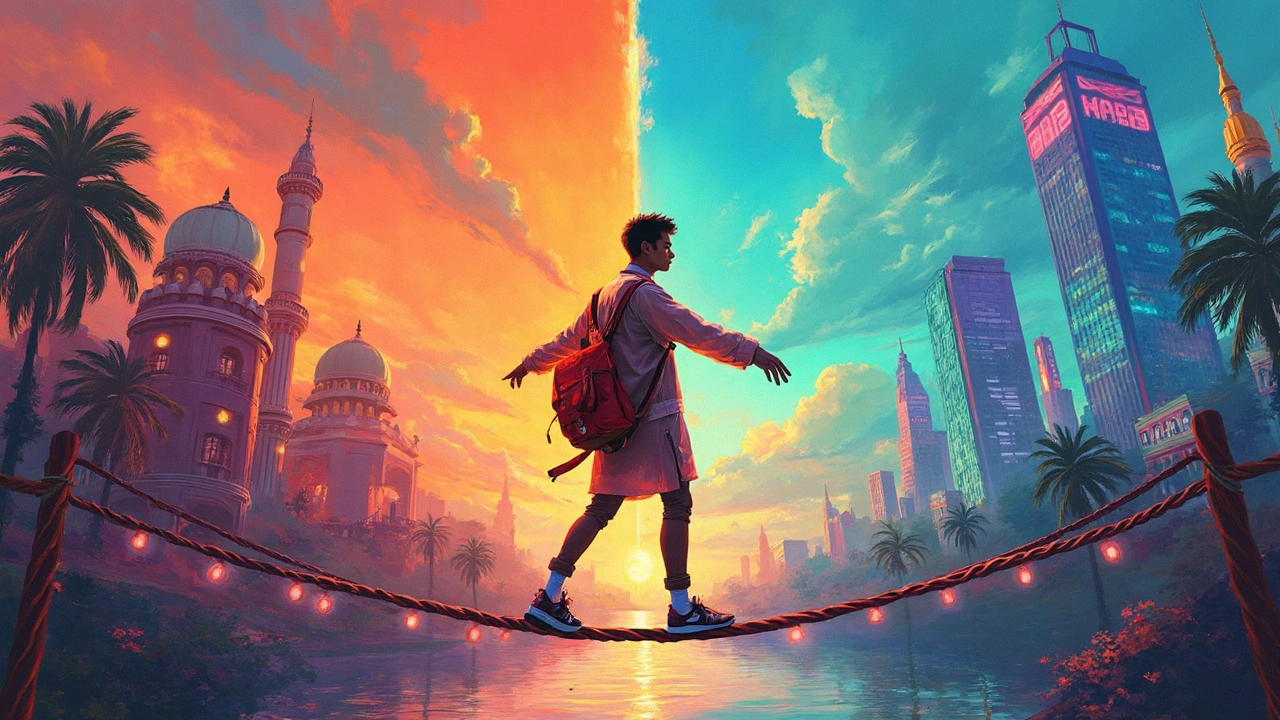
Is Gen Z More Conservative or Liberal?
Gen Z, often dubbed as the digital natives, presents a unique blend of political ideas, blending traditional values with modern views. While many assume this generation to be overwhelmingly liberal, recent surveys and events suggest a more complex picture with growing conservative pockets. Factors like economic conditions, social media influence, and diverse backgrounds contribute to these shifting trends. Understanding these dynamics offers insights into the future political landscape and the priorities of tomorrow's leaders.