Literary Analysis: How to Read Between the Lines and Understand What Books Really Mean
When you read a novel and feel something deeper than just entertainment—that quiet chill, the sudden lump in your throat, the way a line sticks with you for days—you’re experiencing literary analysis, the practice of examining how a text creates meaning beyond its surface story. It’s not about finding the "right" answer—it’s about noticing how words are arranged to make you think, feel, or question. You don’t need a degree to do it. You just need to ask: Why did the author choose this image? Why does this character act this way? What’s left unsaid?
Symbolism in literature, the use of objects, colors, or events to represent bigger ideas is one of the most powerful tools here. Think of the green light in The Great Gatsby—it’s not just a light. It’s hope, longing, the unreachable American Dream. Theme interpretation, the process of uncovering the central ideas a story explores works the same way. In Dune, it’s not about space ships—it’s about how belief turns technology into religion. In Fourth Wing, it’s not just about dragons—it’s about survival in a system designed to break you. And in dark romance, the abusive lover isn’t just a plot device—he’s a mirror for how society normalizes control as love.
Character analysis, looking at why people in stories behave the way they do is where literary analysis gets personal. Why do we keep reading about flawed, quiet, overthinking protagonists? Because we see ourselves in them. The overwhelmed introvert in What Personality Type Gets Overwhelmed Easily? isn’t just a topic—it’s a literary archetype. The grieving widow in a 2025 romance novel? She’s not there for drama—she’s there because modern readers crave authenticity over fairy tales.
Literary analysis doesn’t make books harder. It makes them richer. It turns reading from a passive habit into an active conversation—with the author, with the characters, with yourself. You’ll start noticing how historical fiction uses small details to challenge power structures. How YA fiction speaks louder to adults than teens. How even a simple setting can carry the weight of cultural differences or generational trauma.
Below, you’ll find posts that don’t just talk about books—they pull them apart. You’ll see how Nora Roberts builds emotional depth without clichés, how Dune blurs fantasy and sci-fi to make us question what we call real, and why ghost reading is more about how we read than how many books we finish. These aren’t reviews. They’re guides to reading deeper. And if you’ve ever wondered why a book stayed with you long after you turned the last page—this is where you’ll find the answer.

Is The Alchemist a Self‑Help Book? Answer, Analysis & Takeaways
Explore whether Paulo Coelho's The Alchemist qualifies as a self‑help book, see how its lessons compare with typical guides, and get practical steps to turn its wisdom into real growth.
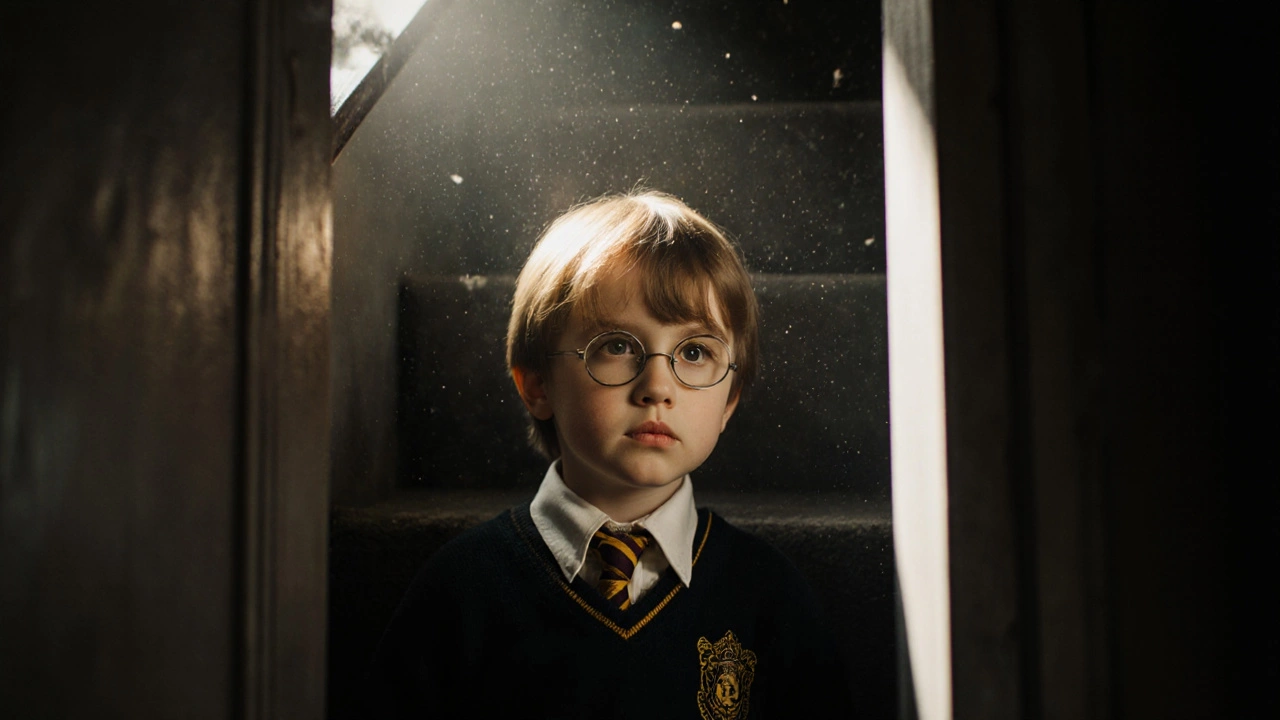
Is Harry Potter a Bildungsroman? A Deep Dive
Explore why Harry Potter fits the classic bildungsroman mold, examine key growth stages, compare with literary giants, and see how this label deepens our reading of the series.
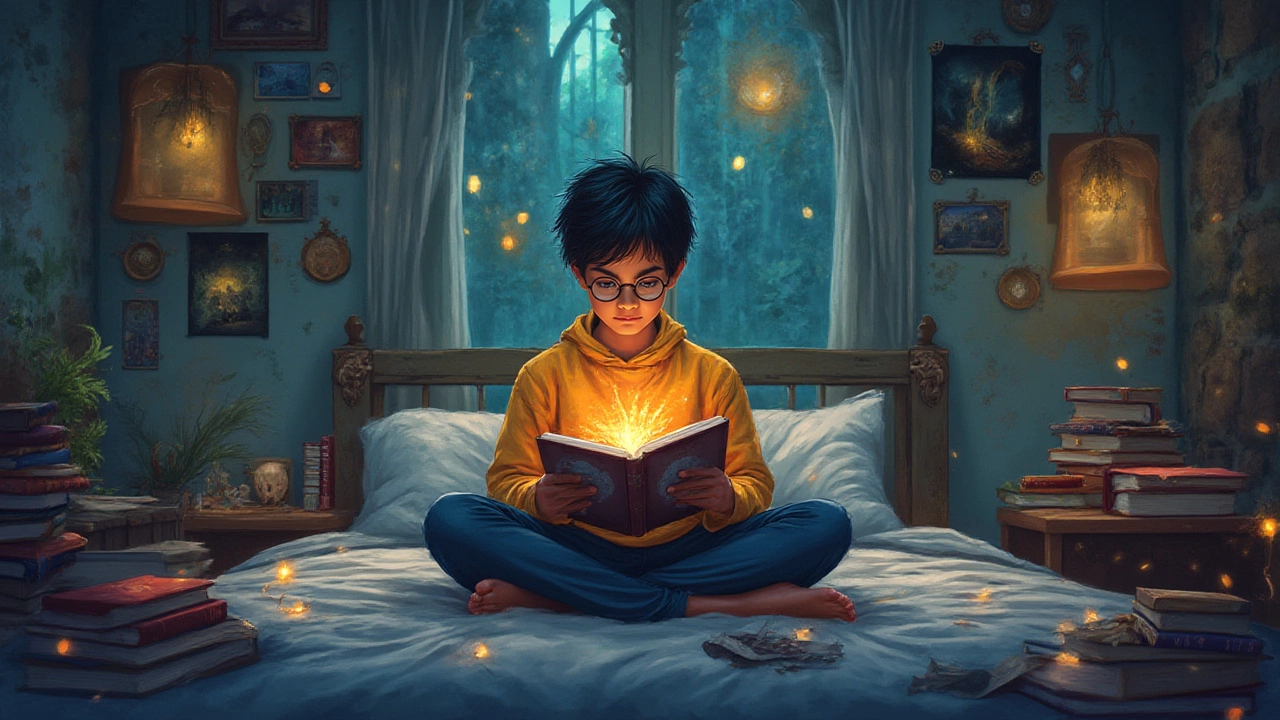
Is Harry Potter Really a Young Adult Book? Breaking Down the Magic
Is Harry Potter truly a young adult series? We dig deep into its age group, themes, marketing tricks, and reader debates—plus, what makes a book ‘YA’ at all.