J.K. Rowling: The Author Behind Harry Potter and Her Lasting Impact on Modern Reading
When you think of modern fantasy, one name rises above all: J.K. Rowling, the British author who turned a simple idea about a boy wizard into a global reading revolution. Also known as Joanne Rowling, she didn’t just write books—she rebuilt how millions of people, young and old, experience stories. Before her, few expected a children’s book series to dominate global sales, spawn movies, theme parks, and a generation of lifelong readers. But that’s exactly what happened.
Her work didn’t just entertain—it redefined what’s possible for authors outside the traditional publishing elite. J.K. Rowling wrote the first Harry Potter book while on welfare, facing rejection after rejection. That persistence became part of the story itself. The books introduced readers to complex themes like loss, prejudice, and choice, wrapped in magic and friendship. They didn’t talk down to kids—they trusted them to feel deeply, think critically, and root for characters who weren’t perfect. That’s why adults kept reading, too. Her world felt real because it wasn’t just about wands and spells—it was about belonging, courage, and the quiet power of ordinary people doing extraordinary things.
Her influence stretches far beyond Hogwarts. She inspired a wave of young writers, especially women, to believe they could create worlds as big as hers. Publishers started taking chances on debut authors. Libraries saw record attendance. Schools brought books into classrooms not as chores, but as conversations. Even today, when someone says they "grew up with Harry Potter," they’re not just talking about a book series—they’re talking about a shared cultural moment.
And while she’s written other things—crime novels under a pseudonym, essays on social issues, and even a play—none have matched the scale of her original creation. That’s not a weakness. It’s proof of how deeply those seven books carved into the collective imagination. People still reread them. They still argue about Snape. They still quote "It does not do to dwell on dreams and forget to live." That’s the mark of a true storyteller.
Below, you’ll find posts that explore the ripple effects of her work—from how fantasy changed after Harry Potter, to why her stories still resonate with adults, to the real-life lessons hidden in wizarding world rules. These aren’t just book reviews. They’re reflections on how one author’s voice reshaped reading itself.
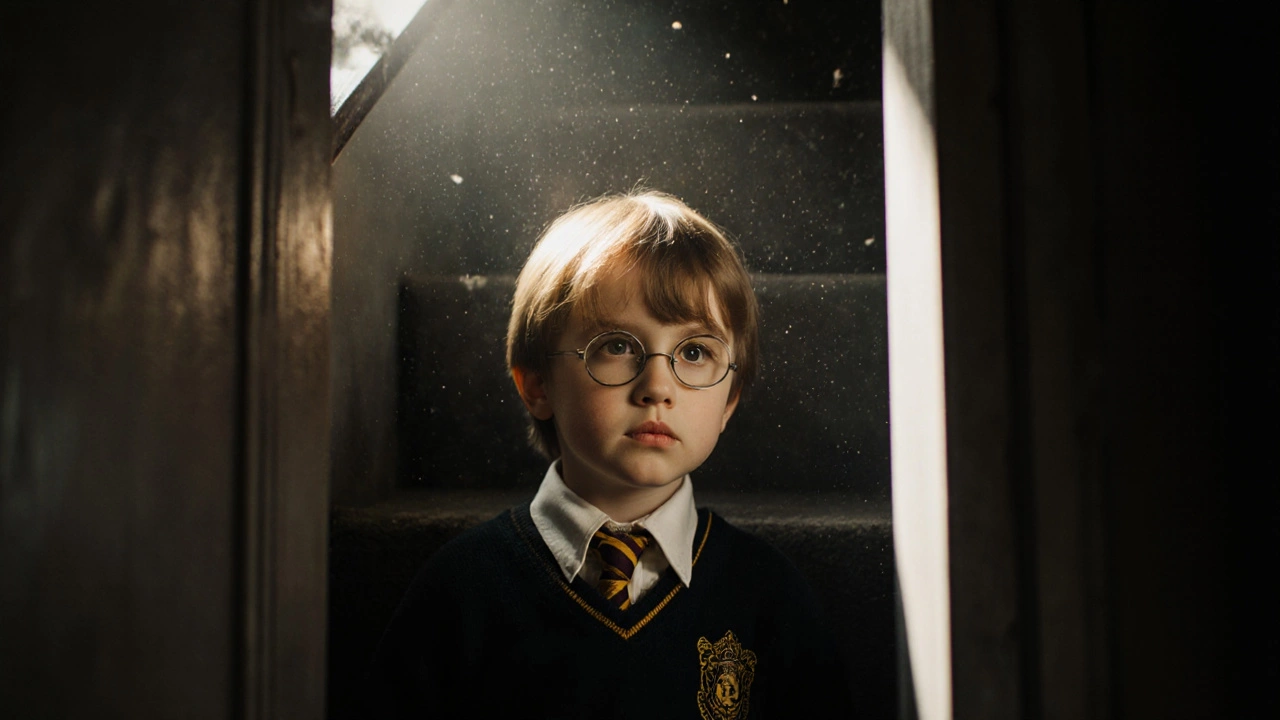
Is Harry Potter a Bildungsroman? A Deep Dive
Explore why Harry Potter fits the classic bildungsroman mold, examine key growth stages, compare with literary giants, and see how this label deepens our reading of the series.