Harry Potter bildungsroman: What Makes It a Coming-of-Age Classic
When we talk about Harry Potter, a seven-book series that follows a young wizard’s journey from neglected orphan to battle-scarred leader. Also known as the Harry Potter saga, it doesn’t just feature magic wands and flying brooms—it’s a masterclass in how a story can track a person’s inner transformation. This isn’t just fantasy. It’s a bildungsroman, a literary genre focused on the psychological and moral growth of the protagonist from youth to adulthood. Think of it as the quiet, messy, painful, beautiful process of becoming yourself—and Harry Potter nails it.
The Harry Potter bildungsroman doesn’t skip the hard parts. Harry loses his parents before he even knows their names. He’s raised by people who treat him like an inconvenience. He’s bullied, isolated, and told he doesn’t belong. But each book peels back another layer of his identity. He learns what loyalty costs. He faces grief, doubt, and the weight of expectation. He chooses kindness even when it’s dangerous. He doesn’t become a hero because he’s special—he becomes one because he keeps showing up, even when he’s afraid. That’s the heart of every great bildungsroman: growth through struggle, not destiny.
Other characters follow the same arc. Hermione starts as a rule-follower who craves approval and becomes a fearless leader who questions authority. Ron goes from comic relief to someone who chooses love over fear. Even Draco Malfoy, the villain, gets glimpses of inner conflict—showing that the bildungsroman isn’t just about heroes. It’s about everyone trying to figure out who they are under pressure. The series also connects to young adult fiction, a category defined by its focus on identity, belonging, and the transition into adulthood. But Harry Potter crossed over because its emotional truth spoke to adults too. People didn’t just read it because they liked magic. They read it because they saw themselves in Harry’s confusion, anger, and quiet courage.
What makes this series stand out in the world of coming-of-age stories is how it ties personal growth to larger moral choices. The battle isn’t just against Voldemort—it’s against prejudice, silence, and the temptation to give up. The Sorting Hat doesn’t decide your fate; it reflects your choices. Dumbledore doesn’t give Harry answers—he gives him questions. That’s the real power of the bildungsroman: it doesn’t hand you a map. It teaches you how to draw your own.
Below, you’ll find posts that dig into the deeper layers of stories like this—how characters grow, why we connect with them, and what makes a book stick with you long after the last page. Whether you’re re-reading Harry Potter or discovering it for the first time, these articles will help you see why this story isn’t just about wizards. It’s about becoming.
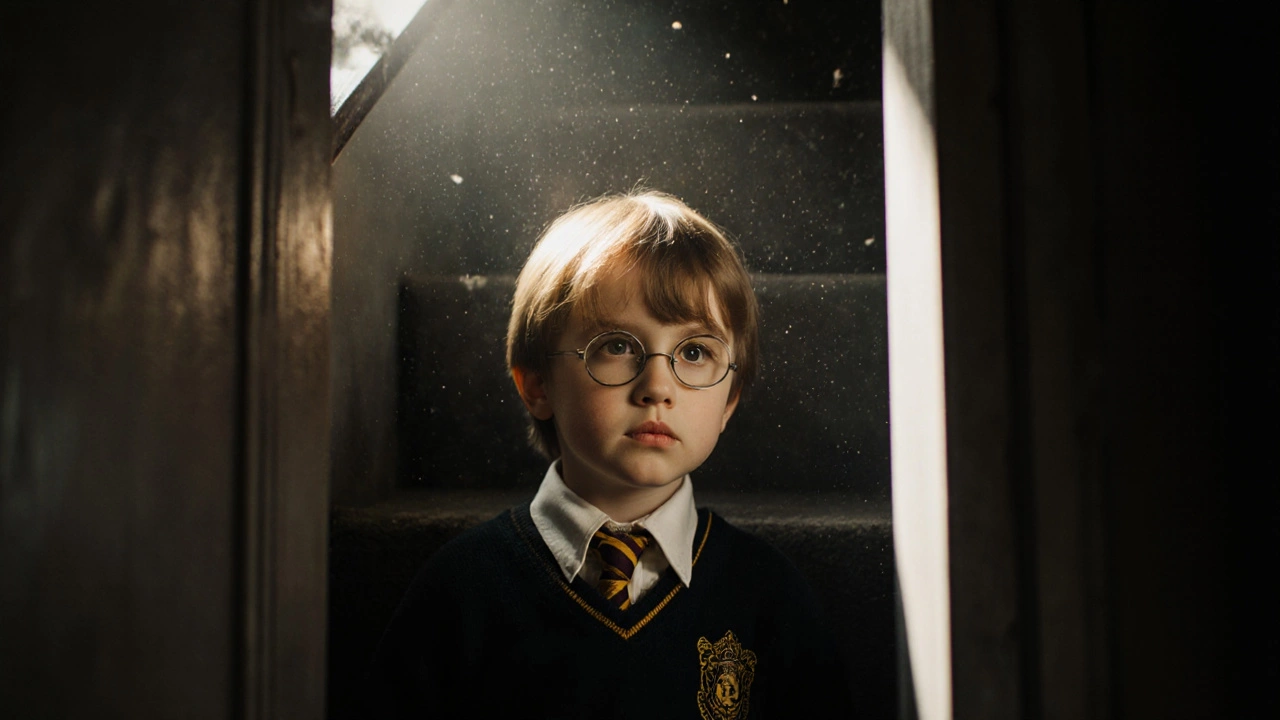
Is Harry Potter a Bildungsroman? A Deep Dive
Explore why Harry Potter fits the classic bildungsroman mold, examine key growth stages, compare with literary giants, and see how this label deepens our reading of the series.