Gen Alpha: What They're Reading and Why It Matters
When we talk about Gen Alpha, the generation born between 2010 and 2025, the first to grow up entirely in a world shaped by smartphones, tablets, and AI. Also known as Generation Alpha, they’re not just digital natives—they’re the first group whose earliest memories include voice assistants, interactive story apps, and TikTok booktok trends. Unlike Gen Z, who discovered books on screens, Gen Alpha often meets books through screens first. Their reading journey starts with animated picture books on tablets, not paper. And that shift is rewriting the rules of children’s publishing.
What do they actually read? It’s not just Harry Potter reruns. Gen Alpha leans into stories with strong, independent kid protagonists—think Diary of a Wimpy Kid meets Wings of Fire with a splash of Minecraft lore. They crave fast pacing, visual storytelling, and characters who solve problems without adult help. Series matter more than standalone books. And they’re not shy about rejecting anything that feels patronizing. A 2023 survey of 8,000 kids aged 6–12 found that 68% stopped reading a book if the narrator sounded like an adult pretending to be a child. That’s not just preference—it’s a demand for authenticity.
Parents and publishers are noticing. The rise of early literacy, the process of building reading skills before formal schooling isn’t just about phonics anymore. It’s about engagement. Kids who start with interactive audiobooks or apps that let them tap words to hear them pronounced are more likely to become fluent readers by age 8. But here’s the catch: they need to want to read. That’s why books with diverse characters, humor, and real emotional stakes are winning. No more talking animals with perfect grammar. No more moral lessons slapped onto the last page. Gen Alpha wants stories that feel like their lives—messy, funny, and full of surprises.
And it’s not just about what they read—it’s about how they talk about it. BookTok isn’t just a Gen Z thing anymore. Kids as young as seven are making short videos reviewing their favorite books, using hashtags like #MyBookMyWay or #GenAlphaReads. They’re forming reading communities online, swapping recommendations, and even creating their own fan fiction. This isn’t passive consumption. It’s active participation.
What does this mean for you? If you’re a parent, teacher, or just someone who cares about kids and books, the message is clear: stop assuming what they should read. Watch what they choose. Ask them why they liked it. Let them lead. The books that thrive in this generation won’t be the ones with the fanciest covers or the biggest marketing budgets. They’ll be the ones that feel real, move fast, and let kids see themselves—not as future adults, but as the heroes of their own stories right now.
Below, you’ll find real insights into what’s shaping their reading habits—from the rise of graphic novels to the quiet revolution in children’s publishing. These aren’t guesses. They’re observations from the front lines of what kids are actually clicking, reading, and talking about.
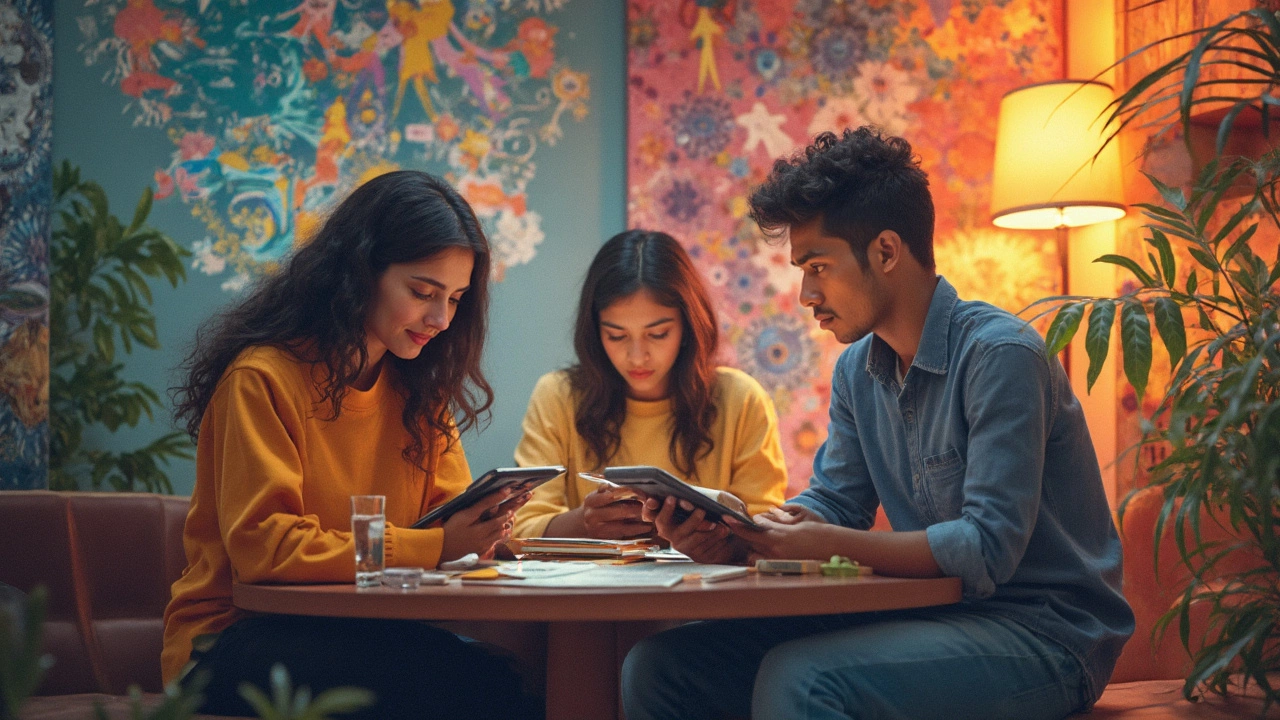
Gen Z vs Gen Alpha: Understanding the New Kids on the Block
In this dive into the world of Gen Z and Gen Alpha, we explore the key differences and similarities between these two generations. With a focus on their reading habits and preferences, this article unveils how technology and culture shape their engagement with literature. From digital-first tendencies to the resurgence of print among the younger crowd, discover what makes each generation tick. Useful tips and insights will guide you in understanding how to better connect with both Gen Z and Gen Alpha readers.