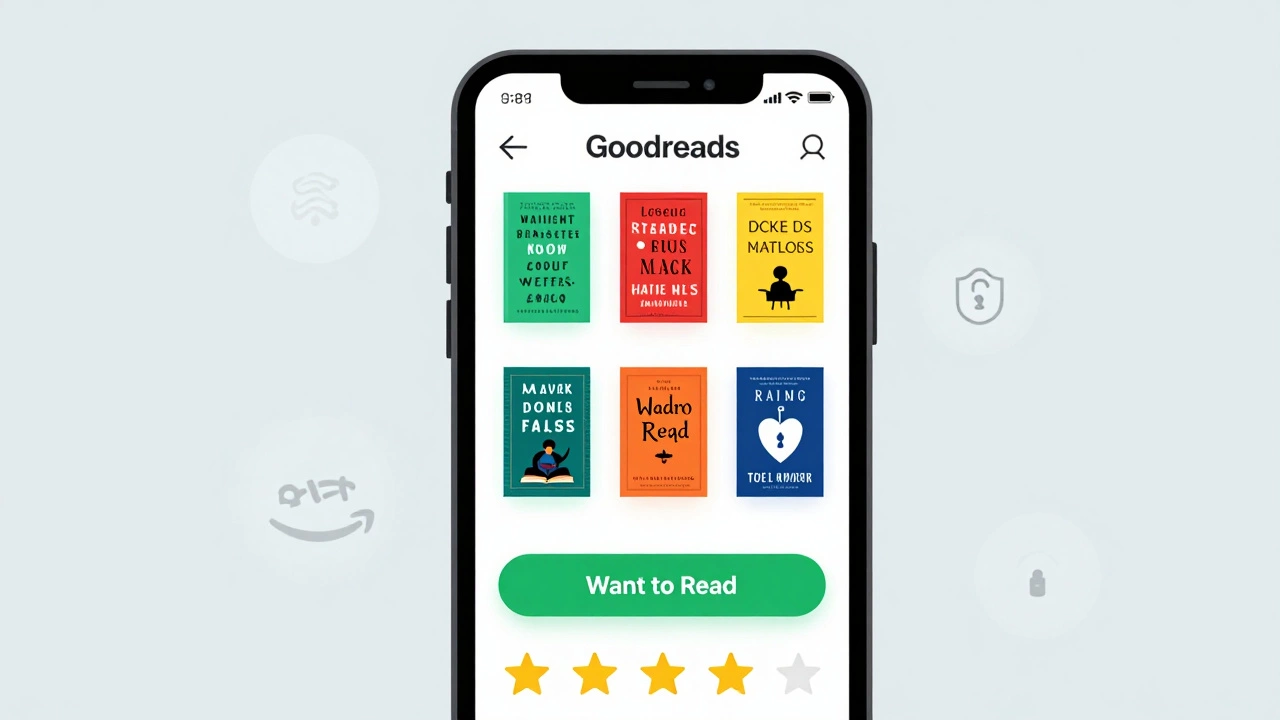
Goodreads Value Calculator
Discover how much value you get from Goodreads based on your personal reading habits and priorities.
Your Reading Profile
Your Results Will Appear Here
Fill in your reading profile and click "Calculate" to see your personalized Goodreads value analysis.
Feature Breakdown
Library Management
Unlimited book tracking with custom shelves and search functionality.
Reviews & Ratings
Write unlimited reviews and star ratings to help other readers.
Device Integration
Seamless with Kindle, manual entry for other devices.
You just finished a great novel. You want to log it, write a quick review, and see what your friends are reading next. You head to Goodreads, the world's largest social network for readers. But before you sign up or start using it daily, a nagging question pops up: Is there a catch? Do I need to pay for a premium subscription to unlock the basic features?
The short answer is yes, Goodreads is completely free to use. There is no monthly fee, no hidden subscription cost, and no "premium" tier that locks away essential features like logging books or writing reviews. Whether you read physical paperbacks, e-books on an Kindle, or audiobooks via Audible, the core platform remains accessible without opening your wallet.
However, understanding *why* it’s free requires looking at who owns it and how the ecosystem works. Since its acquisition by Amazon in 2013, Goodreads has served as a powerful funnel into the Amazon retail ecosystem. The business model isn't about charging users; it's about influencing purchasing decisions. When you mark a book as "Want to Read," you’re often one click away from buying it on Amazon. That convenience is the product being sold-not to you, but to publishers and authors who want visibility.
What You Get for Free: A Deep Dive
When we say Goodreads is free, we mean every single feature available on the standard platform costs zero dollars. Let’s break down exactly what you can do without spending a dime.
Library Management: You can create a digital shelf of every book you own, have read, or plan to read. The search function allows you to find ISBNs quickly, adding titles to your shelves with a few clicks. This helps you track your annual reading goals, a popular feature during challenges like the New Year’s Reading Challenge.
Social Connectivity: You can follow other readers, join groups based on genre (from cozy mysteries to hard sci-fi), and participate in discussions. The friend system lets you see what people you know are currently reading, fostering a sense of community that many solitary readers crave.
Reviews and Ratings: Writing star ratings and text reviews is unrestricted. Your opinions contribute to the aggregate scores that influence millions of buyers. You can also highlight passages in e-books if they are linked to your account, though this feature depends heavily on the device you use.
Recommendations: Goodreads uses algorithms to suggest books based on your history. While these aren’t always perfect, they provide a steady stream of new titles to consider, all curated for free.
The Hidden Cost: Data and Privacy
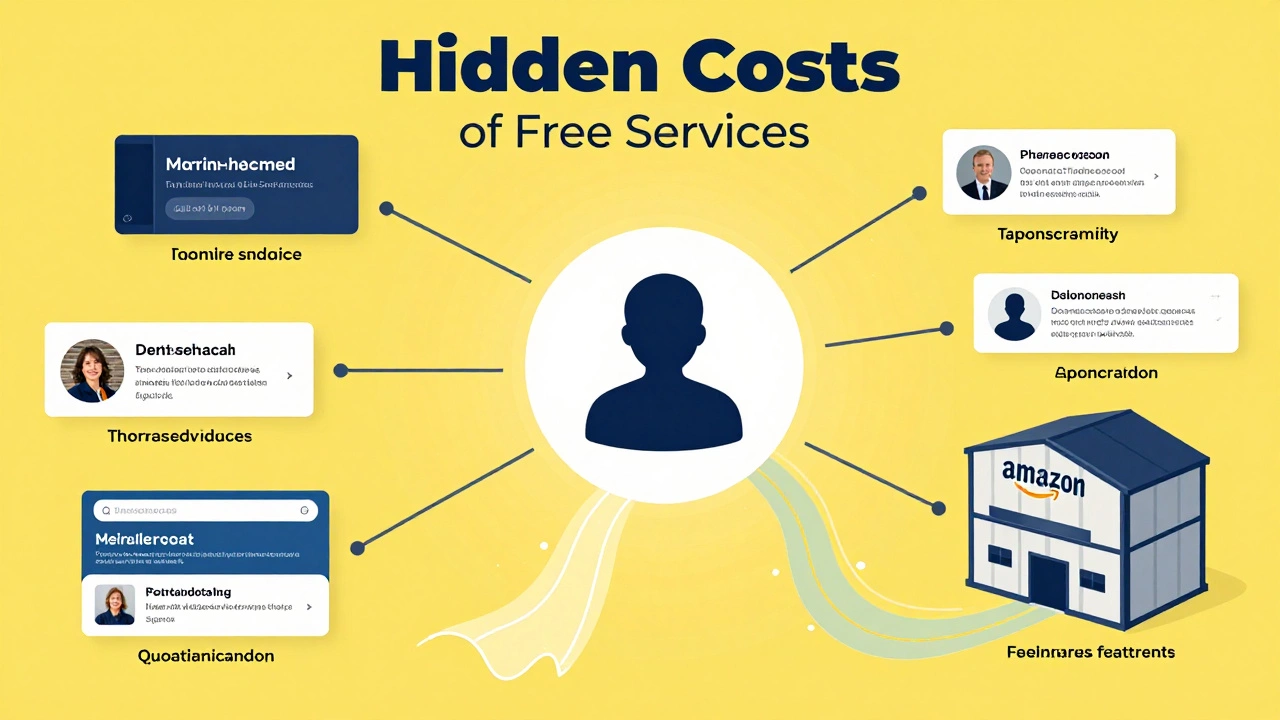
If you aren’t paying with money, you are likely paying with data. This is the standard trade-off for most free digital services today, but it’s worth examining specifically for Goodreads. Because Amazon owns the platform, your reading habits become part of a larger dataset used to refine Amazon’s recommendation engines.
Every book you rate, every group you join, and every "Want to Read" entry feeds into Amazon’s ability to predict what you might buy next. For most casual readers, this is a fair exchange: you get a convenient tool, and Amazon gets insights into consumer behavior. However, privacy-conscious users should be aware that their literary tastes are not entirely anonymous. If you prefer total discretion, you might hesitate to log sensitive or niche topics publicly.
Additionally, the user experience has changed over the years. Many long-time users complain about increased advertising within the app and website. Book ads, sponsored posts, and promotional banners for Amazon Prime Reading titles appear frequently. These don’t cost you money directly, but they clutter the interface and shift the focus from community discussion to commercial promotion.
Device Integration: Where It Gets Complicated
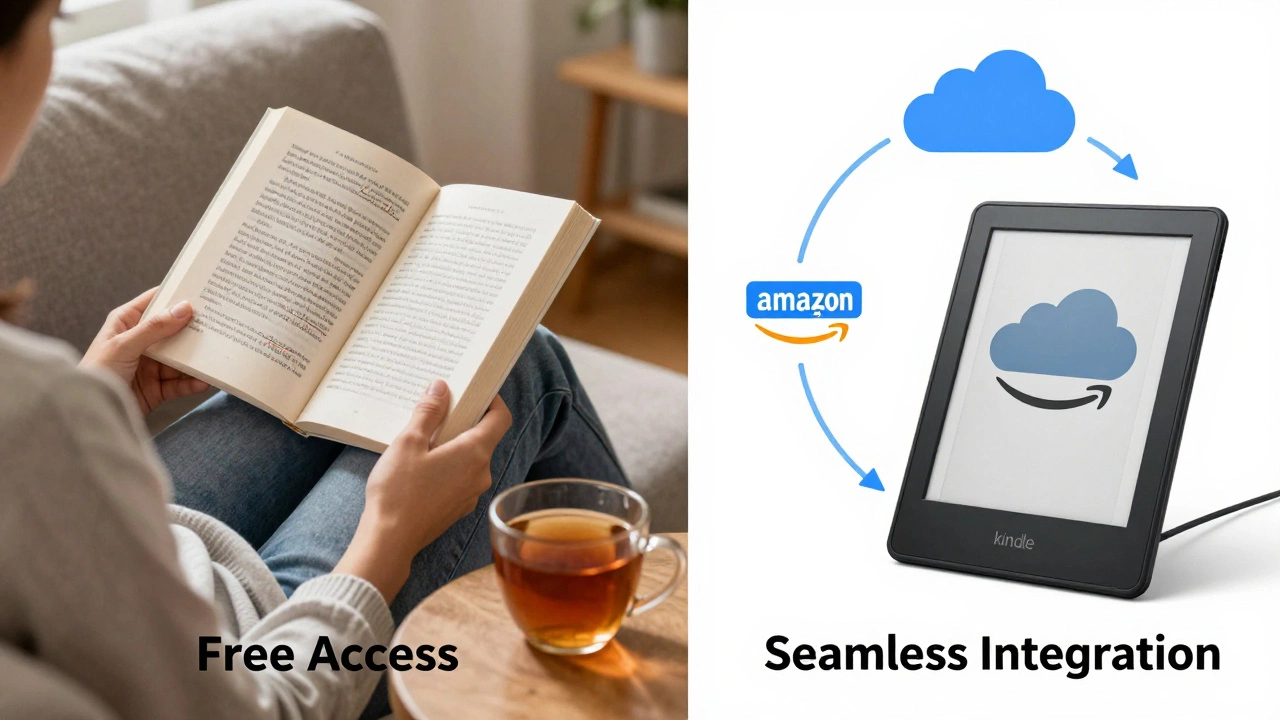
One area where "free" meets friction is device compatibility. Goodreads integrates seamlessly with Amazon devices like the Kindle Paperwhite, Oasis, and Fire tablets. If you read on a Kindle, your highlights and notes sync automatically to your Goodreads profile. This is a massive benefit for Kindle users, making tracking effortless.
But what if you don’t use Amazon products? If you read on an Apple iPad, a Kobo e-reader, or simply carry physical books around, the integration is less smooth. You have to manually enter each book you finish. There is no automatic sync for non-Amazon e-readers. Some third-party apps claim to bridge this gap, but they are unofficial and sometimes unreliable. So, while the software is free, the convenience factor drops significantly unless you are already embedded in the Amazon ecosystem.
| Feature | Cost | Notes |
|---|---|---|
| Basic Account & Library | Free | No limits on number of books logged. |
| Writing Reviews | Free | Unlimited text length and star ratings. |
| Kindle Sync | Free | Requires owning a Kindle device (hardware cost). |
| Premium Subscriptions | N/A | Does not exist. No Pro version available. |
| Data Privacy | Implicit Cost | Your reading data is shared with Amazon. |
Alternatives to Goodreads: Are They Better?
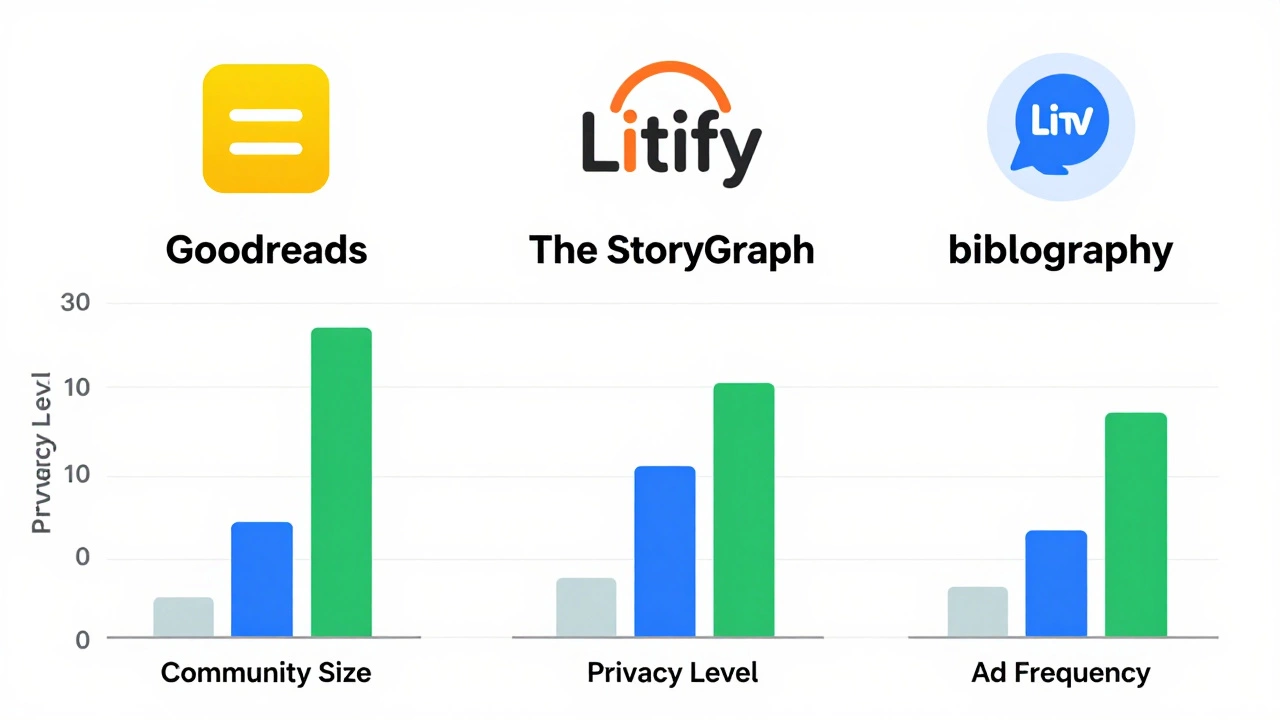
Even though Goodreads is free, it isn’t the only option. Several competitors have emerged, some offering better interfaces or stronger privacy protections. Here’s how they stack up against the giant.
The StoryGraph: This is perhaps the strongest competitor right now. It offers similar tracking features but provides deeper analytics. Instead of just a star rating, it analyzes mood, pace, and character development. The free version is robust, but some advanced stats require a paid subscription. Unlike Goodreads, it doesn’t push Amazon purchases aggressively.
StoryGraph vs. Goodreads: If you care about data visualization and hate ads, The StoryGraph wins. If you want the largest community and seamless Kindle integration, Goodreads stays on top.
Litify: Litify focuses more on discovery than tracking. It uses AI to recommend books based on your taste rather than just popularity. It’s free to browse, but saving extensive lists might require a subscription depending on current policy changes. It’s excellent for finding hidden gems but weaker for social interaction.
Bibliography / Biblionasium: These are newer players. Bibliography is known for its beautiful design and clean interface. It appeals to users who find Goodreads clunky and outdated. However, it lacks the massive user base, meaning fewer reviews to read and fewer friends to connect with.
Is Goodreads Worth Using in 2026?
Despite complaints about its user interface and corporate ownership, Goodreads remains the default choice for millions of readers. Why? Network effects. Because everyone else is there, the value of joining increases. You want to see what your book club is discussing. You want to check the average rating before buying a $30 hardcover. You want to participate in the annual reading challenge.
For the average reader, the lack of a price tag makes it an easy yes. You don’t have to justify a monthly expense for a hobby tracker. The barrier to entry is zero. Just create an account and start logging.
However, power users or those deeply concerned about data privacy might look elsewhere. If you are willing to tolerate ads and share your data with Amazon, Goodreads is the most comprehensive free tool available. If you prioritize privacy or dislike the Amazon-centric bias, exploring alternatives like The StoryGraph might be worth the slight learning curve.
Tips for Maximizing Your Free Account
To get the most out of Goodreads without spending money, try these strategies:
- Use Shelves Strategically: Don’t just use "Read" and "Want to Read." Create custom shelves like "Summer Beach Reads," "Work Non-Fiction," or "Classics." This makes browsing your library much easier later.
- Join Niche Groups: Large groups can be noisy. Join smaller, specific groups related to your favorite genres. The discussions are often higher quality and more engaging.
- Update Regularly: Try to log books immediately after finishing them. Memory fades, and accurate logs help the recommendation algorithm suggest better titles.
- Write Short Reviews: Even a two-sentence review helps other readers. It also boosts your profile activity, which can lead to more followers and interactions.
In summary, Goodreads is genuinely free. There is no credit card required, no trial period that expires, and no locked content. The cost is purely in terms of attention (ads) and data (privacy). For most readers, this is a deal they are happy to make to stay connected with the global reading community.
Does Goodreads have a premium subscription plan?
No, Goodreads does not offer any premium or paid subscription plans. All features, including unlimited book logging, reviewing, and social networking, are available for free to all users.
Why is Goodreads free if it makes money?
Goodreads is owned by Amazon. It generates revenue indirectly by driving traffic to Amazon’s bookstore. When users see books they like on Goodreads, they are often directed to purchase them on Amazon, making the platform a valuable marketing tool rather than a direct product sale.
Can I use Goodreads if I don't have a Kindle?
Yes, you can use Goodreads regardless of your reading device. However, automatic syncing of highlights and progress only works seamlessly with Amazon Kindle devices. For other e-readers or physical books, you must manually update your status.
Are there any hidden fees for authors on Goodreads?
Creating an author profile on Goodreads is free. However, authors can choose to pay for advertising campaigns to promote their books to specific audiences. These ads are optional and billed separately, similar to other online ad platforms.
Is my data safe on Goodreads?
While Goodreads is secure, your data is shared with Amazon due to corporate ownership. This means your reading habits may influence recommendations across Amazon services. Users concerned about privacy should review Amazon’s privacy policy and adjust their sharing settings accordingly.