
Book Reviewer Income Calculator
Estimated Monthly Income
$0
Estimated Annual Income
$0
Hourly Rate
$0
(Compared to minimum wage: )
Time Investment
0 hours
Per month
Ever wondered if you can turn your love of reading into a real income? You’re not alone. Thousands of people scroll through Goodreads or Instagram bookstagram accounts, thinking, book reviewers must be making serious money. But the truth? It’s not that simple.
Most Book Reviewers Don’t Get Paid at All
The majority of people writing book reviews-whether on blogs, social media, or review sites-are doing it for free. They read because they love it. They share thoughts because they want to connect with other readers. And that’s perfectly fine. But if you’re hoping to earn a full-time salary from writing reviews, you need to know how the real system works.
According to data from freelance platforms and industry surveys, over 80% of book reviewers operate without direct payment. Publishers send advance reader copies (ARCs) to influencers and bloggers, expecting reviews in return. But those reviews rarely come with a paycheck. Instead, you get a free book and maybe a thank-you note.
Who Actually Gets Paid for Book Reviews?
There are exceptions. Some people do earn money, but they fall into very specific categories.
- Professional critics who write for newspapers like The New York Times, The Guardian, or The Sydney Morning Herald. These are staff positions or contracted roles. They review books as part of their job, often alongside other cultural coverage.
- Review platforms like Kirkus Reviews or Publishers Weekly pay freelance reviewers, but only after a rigorous application process. They typically pay between $50 and $150 per review.
- Academic reviewers who write for scholarly journals. These are often university professors or researchers. Payment is rare, but it can come in the form of stipends or institutional support.
- Book bloggers with sponsorships who partner with publishers or book-related brands. These aren’t direct payments for reviews-they’re marketing deals. You might get paid to run a giveaway, promote a launch, or create content around a book, but the review itself is usually unpaid.
How Much Do Paid Book Reviewers Actually Earn?
If you land a gig with Kirkus, you’ll likely earn $75 per review. At that rate, you’d need to review 133 books a year just to hit $10,000. That’s more than two books a week, every week. And that doesn’t include the time spent reading, writing, editing, and submitting.
Let’s break it down:
- Reading time: 8-12 hours per book (average 250-350 pages)
- Writing time: 2-4 hours per review
- Editing and revisions: 1-2 hours
- Submission and follow-up: 30 minutes
That’s 12-18 hours per book. At $75 per review, you’re making roughly $5-$6 an hour. That’s below minimum wage in most places, including Australia.
Some platforms pay more. BookBub pays top reviewers up to $200 for exclusive reviews, but they only accept about 5% of applicants. And even then, you’re expected to review at least 10-15 books a month to qualify for consistent work.
Book Reviewing as a Side Hustle: The Real Math
If you’re doing this on the side, you might earn a few hundred dollars a year. Maybe $300-$800 if you’re active on a few platforms and lucky enough to land a few paid gigs. But here’s the catch: you’re still spending 100+ hours a year reading and writing.
Compare that to freelancing as a copywriter, transcriptionist, or virtual assistant. You can easily make $30-$50 an hour doing those jobs. Book reviewing? You’re lucky to break $10 an hour after accounting for reading time.
Many reviewers don’t see it as a job. They see it as a hobby with occasional perks. Free books, early access, invitations to author events-those are the real rewards.

What About Influencers and Bookstagrammers?
Instagram accounts with 50,000+ followers sometimes get paid. But not for the reviews themselves. They get paid for posts that feature books. A sponsored post might earn $200-$500. But that’s not a book review-it’s an ad. And publishers know it.
Platforms like BookTok (TikTok’s book community) have created a new kind of influencer. A viral video can send a book to #1 on Amazon. But again, the creator isn’t being paid to write a review. They’re being paid to create buzz.
And even then, the money isn’t steady. One month you might get three sponsorships. The next, nothing. It’s unpredictable. You can’t rely on it for rent.
How to Get Paid Book Review Gigs
If you’re serious about earning from book reviews, here’s how to start:
- Build a credible platform. Start a blog or YouTube channel. Focus on quality, not quantity. Write thoughtful, detailed reviews that show your voice and insight.
- Apply to paid review services. Kirkus, Publishers Weekly, and BookBrowse are the most established. Each has a submission process. Don’t expect to get in on your first try.
- Network with indie publishers. Small presses often need reviewers but don’t have big budgets. They may pay in copies, exposure, or small fees. Start there.
- Join professional associations. The National Book Critics Circle (NBCC) and similar groups offer opportunities and listings for paid gigs.
- Don’t confuse promotion with review. If you’re paid to say nice things, it’s advertising. If you’re paid to give honest opinions, it’s journalism. Know the difference.
The Hidden Costs of Being a Book Reviewer
There’s more to it than just reading. You need:
- A reliable internet connection for submitting reviews
- Time to manage emails from publishers and editors
- Storage for physical ARCs (many still come by mail)
- Software for formatting and editing
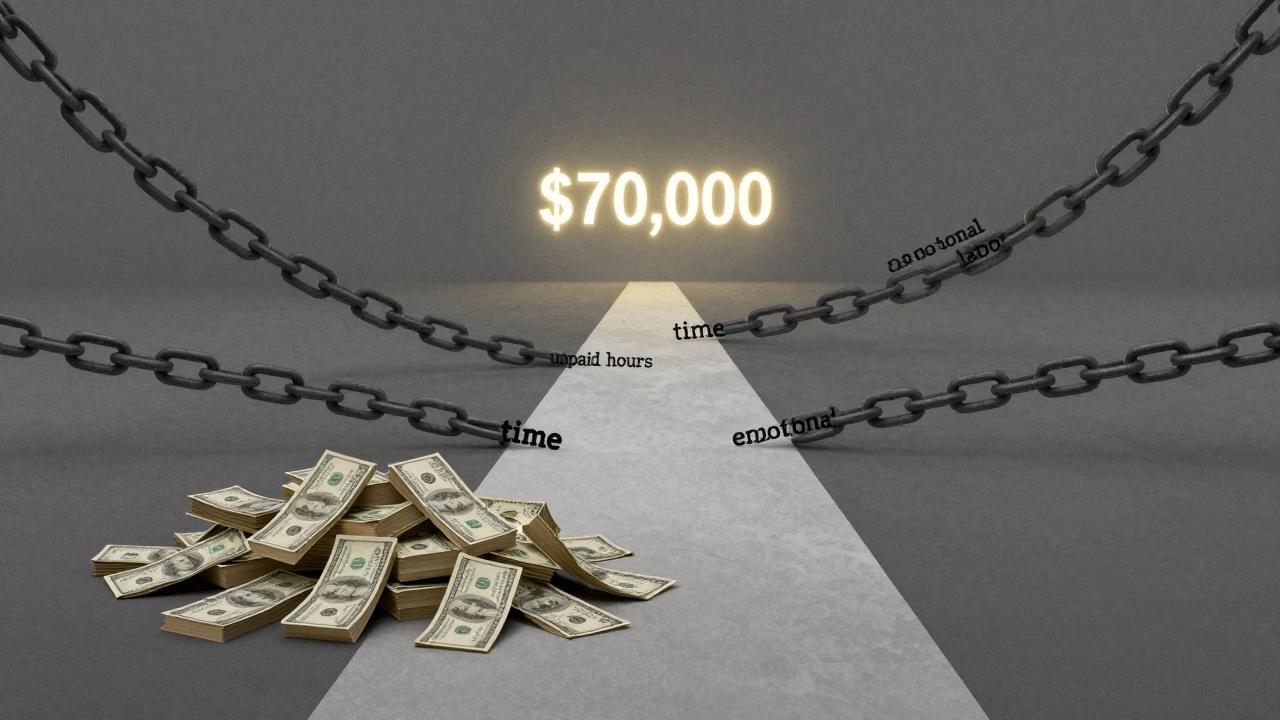
- Emotional energy to write negative reviews without burning bridges
And let’s not forget the books you buy yourself. Even if you get free copies, you’ll still want to support authors you love. That adds up.
Is It Worth It?
If your goal is to make a living-no, it’s not worth it. Not unless you’re already established in publishing, media, or academia.
If your goal is to deepen your relationship with books, meet other readers, and occasionally get free novels? Then yes. It’s one of the best hobbies out there.
There’s no shame in doing it for free. In fact, the most respected reviewers in the industry are the ones who write because they care-not because they’re paid.
Realistic Income Range for Book Reviewers in 2025
Here’s what you can realistically expect:
| Category | Annual Income | Hours per Week | Payment Type |
|---|---|---|---|
| Unpaid Reviewer (Blogger/Bookstagram) | $0 | 3-8 | Free books, exposure |
| Freelance Reviewer (Kirkus, etc.) | $2,000-$8,000 | 10-15 | $50-$150 per review |
| Professional Critic (Newspaper/Outlet) | $40,000-$70,000 | 30-40 | Salary or contract |
| Book Influencer (Sponsored Posts) | $1,000-$20,000 | 5-20 | Ad revenue, sponsorships |
The top earners? They’re not just reviewers. They’re media professionals who write about books as part of a broader portfolio. They also do interviews, host podcasts, or teach writing.
What You Should Know Before Starting
Don’t quit your day job to become a book reviewer. The market is saturated. The pay is low. The work is demanding.
But if you love reading and want to share your thoughts with others? Start a blog. Write one review a month. Join a local book club. Connect with other readers. You don’t need to get paid to make an impact.
Some of the most influential reviews ever written were never paid for. They were written because someone cared enough to say something true.
Can you make a full-time income as a book reviewer?
Almost no one makes a full-time income solely from writing book reviews. The few who do are either staff critics for major publications or have built large influencer brands around books. For most, book reviewing is a side activity that supplements other income.
Do publishers pay for reviews on Goodreads?
No, publishers do not pay for reviews on Goodreads. Goodreads reviews are user-generated and unpaid. Publishers may send free copies to readers in hopes of getting reviews, but they don’t offer cash in exchange. Paid reviews on Goodreads violate their terms of service.
How many books do professional reviewers read per month?
Professional reviewers typically read 4-8 books per month. That’s one book every 4-7 days. It’s a demanding pace that requires serious time management. Many use audiobooks to multitask during commutes or chores.
Are book reviews still relevant in the age of TikTok?
Yes, but their role has changed. Short-form video drives discovery, but long-form reviews still shape reputation. A viral TikTok can get a book on the bestseller list, but a thoughtful review in a respected outlet can keep it there for months. Both matter-but they serve different purposes.
What’s the best way to start getting paid book review gigs?
Start by building a portfolio of honest, well-written reviews on your own blog or Medium. Then apply to Kirkus Reviews, Publishers Weekly, or BookBrowse. These platforms look for clear writing, critical thinking, and consistency-not follower count.