
Print vs. Digital Magazine Calculator
Input Your Habits
Enter your data to calculate your reading profile.
It’s August 2026, and if you look around your local coffee shop or bookstore, you might notice something unexpected. Amidst the glow of laptops and tablets, there are still stacks of glossy paper. Millennials are the generation born between 1981 and 1996, now ranging from roughly 30 to 45 years old. They were the first cohort to grow up with the internet, leading many to predict their total abandonment of physical media. Yet, the data tells a more nuanced story. Do millennials still read magazines? Yes, but not in the way their parents did.
The Shift from Mass Market to Niche Interests
Gone are the days when a single copy of Vogue is a high-fashion magazine published by Condé Nast, known for influencing global style trends or Time is a weekly news magazine that has covered major historical events since 1923 dominated every household table. The mass-market model collapsed under the weight of free online news and social media feeds. However, this didn’t kill the magazine; it refined it. Millennials don’t buy general interest magazines anymore. They buy into identities.
If you’re a millennial interested in sustainable living, you might subscribe to Mother Jones is a progressive political magazine focusing on environmental and social justice issues or a specialized eco-living quarterly. If you’re into tech, you might pick up a print edition of Wired is a monthly magazine covering how emerging technologies affect culture, economy, and politics. The key difference is intentionality. A millennial doesn’t grab a magazine because it’s on the rack; they seek out specific titles that align with their values, hobbies, or professional development. This shift from passive consumption to active curation is the defining characteristic of modern print readership.
The Tactile Appeal: Why Paper Wins Over Pixels
You might wonder why anyone would pay for paper when information is free online. The answer lies in psychology and sensory experience. In a world saturated with notifications, algorithms, and screen fatigue, print offers a rare commodity: focus. When you hold a magazine, there are no pop-ups, no infinite scrolls, and no dopamine-driven feedback loops. It’s a finite object with a beginning, middle, and end. This structure encourages deep reading rather than skimming.
Consider the concept of "digital detox." Many millennials actively seek ways to disconnect from their devices to reduce anxiety and improve mental health. Reading a physical magazine becomes a ritual-a deliberate break from the digital noise. The texture of the paper, the smell of the ink, and the visual layout designed for leisurely browsing create an immersive experience that a backlit screen simply cannot replicate. Studies in cognitive psychology suggest that reading on paper improves retention and comprehension compared to screens, partly because the physical act of turning pages provides spatial memory cues. For a generation overwhelmed by information overload, the magazine is a sanctuary.
Sustainability and Ethical Consumption
There’s a common misconception that buying print is inherently bad for the environment. While deforestation is a valid concern, the reality is more complex. Most reputable magazines today use recycled paper and FSC-certified sources. Moreover, the carbon footprint of digital media is often overlooked. Data centers, server farms, and the constant streaming of video content consume massive amounts of electricity. A single long-form article read on a phone may have a lower immediate impact, but the cumulative energy cost of the internet infrastructure is significant.
Millennials are also highly conscious of ethical consumption. They prefer supporting independent publishers who pay fair wages to journalists and artists, rather than ad-supported platforms that exploit content creators. Subscription models for niche magazines often fund investigative journalism and high-quality photography that would otherwise disappear in the clickbait economy. By subscribing to a print magazine, millennials feel they are voting for quality and sustainability, both environmental and economic.
The Role of Social Media in Print Revival
Ironically, social media has played a huge role in keeping print magazines alive. Platforms like Instagram and TikTok have become powerful marketing tools for publishers. A beautifully laid-out spread in a magazine is highly shareable. Influencers and everyday users post photos of their latest reads, creating a sense of community and desire. This phenomenon, often called "shelfie" culture, turns magazines into lifestyle accessories.
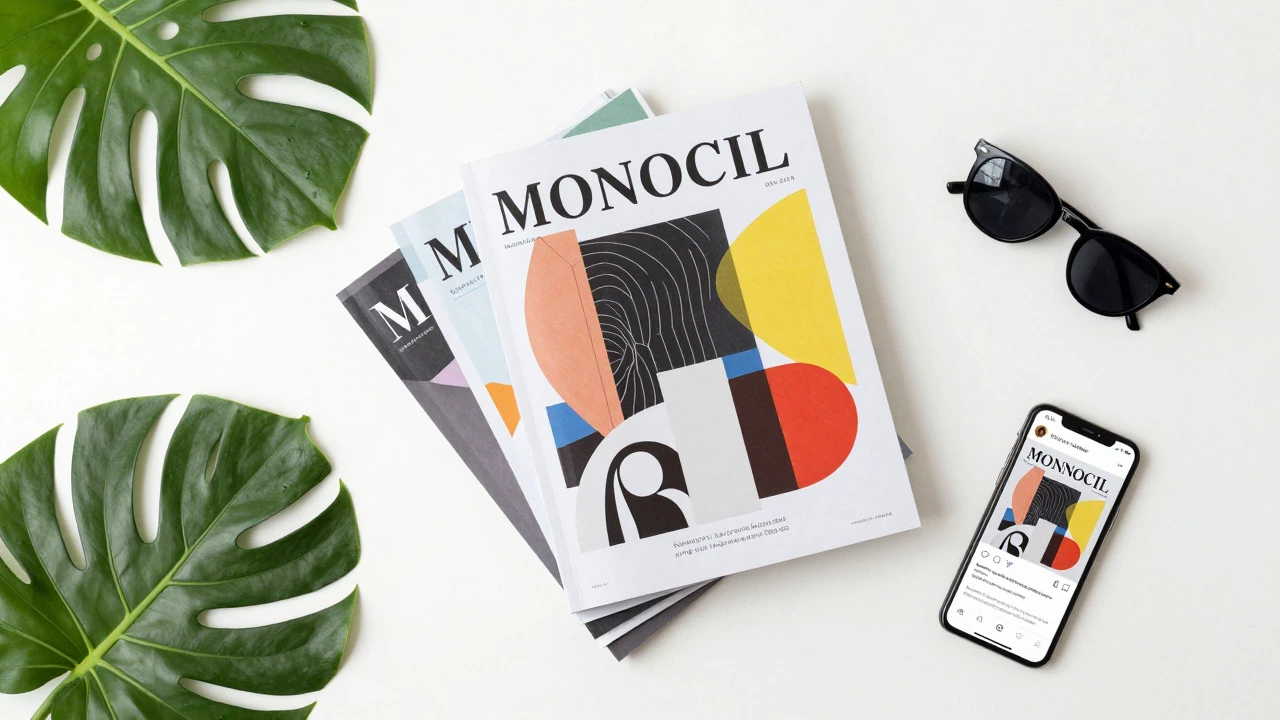
When you see a curated flat lay featuring a favorite magazine alongside coffee and plants, it signals taste and awareness. This visual appeal drives sales among younger demographics who value aesthetics. Publishers have adapted by designing covers and interiors that are specifically optimized for social sharing. Bright colors, bold typography, and striking photography make these publications stand out in a feed. So, while millennials spend hours online, those same hours often lead them back to physical products they can hold and display.

Subscription Models and Economic Realities
Economic factors also influence reading habits. With rising costs of living, many millennials are cautious about discretionary spending. However, they are willing to invest in experiences and items that bring joy or value. A subscription to a specialized magazine is seen as a worthwhile expense if it provides unique insights, inspiration, or relaxation. Unlike single-issue purchases, subscriptions offer predictability and often come with discounts or exclusive content.
Publishers have responded by offering flexible plans, including digital-only options for those who want convenience without the environmental guilt, and hybrid models that combine print with online access. Some magazines have introduced membership programs that include community forums, events, or early access to articles. These strategies help retain subscribers by building loyalty beyond just the physical product. For millennials, the decision to subscribe is less about habit and more about choosing which voices they want to support in their lives.
| Feature | Print Magazines | Digital Magazines |
|---|---|---|
| Engagement Style | Deep, focused reading | Skimming, multitasking |
| Environmental Impact | Recycled paper, tangible waste | Data center energy use, e-waste |
| Cost Structure | Higher upfront cost, durable asset | Lower entry cost, recurring fees |
| Social Value | Lifestyle accessory, gift-giving | Easy sharing, instant access |
| Content Longevity | Static, archival quality | Dynamic, updated frequently |
Future Trends: What’s Next for Print?
Looking ahead, the trend toward niche, high-quality print shows no signs of stopping. As AI-generated content floods the web, human-curated, expert-written material will become even more valuable. Magazines that offer authoritative voices and beautiful design will thrive. We’re likely to see more collaborations between brands and publishers, where limited-edition issues serve as collectibles.
Additionally, the rise of "slow media"-content designed to be consumed thoughtfully over time-aligns perfectly with millennial values. This movement emphasizes depth over speed, encouraging readers to engage with ideas rather than just consume headlines. Print magazines are at the forefront of this shift, offering a counterbalance to the fast-paced digital world. For millennials, reading a magazine isn’t just about getting information; it’s about taking a moment to breathe, reflect, and connect with something real.
Are print magazines making a comeback among young adults?
Yes, particularly among millennials and Gen Z, there is a resurgence in niche print magazines. While mass-market titles have declined, specialized publications focusing on hobbies, values, and aesthetics are growing in popularity due to their tactile appeal and perceived authenticity.
Why do millennials prefer niche magazines over general ones?
Millennials tend to identify strongly with specific interests and values. Niche magazines offer targeted content that resonates with their personal identities, providing deeper engagement and a sense of community that broad, general-interest magazines no longer deliver.
Is reading print magazines better for mental health than scrolling online?
Many experts believe so. Print reading reduces screen time and eliminates distractions like notifications, allowing for deeper focus and relaxation. This "digital detox" effect can lower stress levels and improve sleep quality compared to late-night scrolling.
How does social media influence magazine sales?
Social media acts as a visual showcase for magazines. Platforms like Instagram drive sales through aesthetic posts and influencer endorsements, turning magazines into desirable lifestyle objects. This "shelfie" culture creates demand based on visual appeal and brand association.
What types of magazines are most popular with millennials today?
Popular categories include sustainability and eco-living, mental wellness, design and architecture, technology ethics, and specialized hobby guides (e.g., gardening, cooking, travel). These topics align with millennial priorities around purpose, aesthetics, and self-improvement.